



Then, machines were very slow and unreliable, and users didn’t always know if their programs had a bug. Stoll thought that a “progress bar” would reduce the level of users’ frustration by showing them the process inside the processor.
The desire to make computers easier to use became greater in 80s, and at a conference in 1985, a student named Brad A. Mayers presented his work where he presented the importance of something he called “percentage progress indicator”.
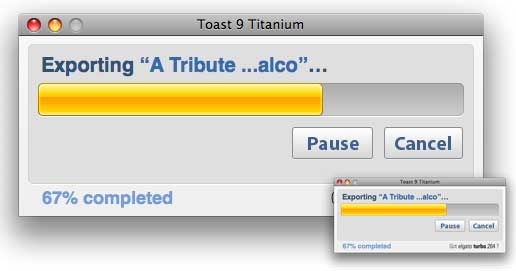
He told to his colleagues that the progress indicator makes computer users less nervous and efficient, it even could help them to relax effectively at work.
To prove his claims, Mayers asked 48 students to start searching databases with and without progress indicators. After that, he asked them to tell about their search experience.
Almost 86% of students told that they liked the indicator and that it is a lot better to work with, than without it.
Since 80s, there are numerous versions of progress indicators – audio, tactile, but the horizontal form is still the most popular.
However, a classic progress indicator was changed a lot and now there are many versions in different colors, but also there are few optical illusions to “make the time run faster”.
Chris Harrison, a scientist from Carnegie Mellon University thinks that people don’t like when their progress indicator is standing still and there is an interesting question: “Do users want the truth or they like something to relax them?”

Share the News