


There will be no restriction of the projects of space geodesy (the measurement of the Earth from space). American scientists will also arrive at the 40th Scientific Assembly of the Committee on Space Research, which will be held in August in Moscow.
Despite directives from the White House to introduce some kind of sanctions in cosmic cooperation, NASA did not meet those expectations, because differences have arisen when the matter came to a practical implementation.
NASA's advisor, Susan Eisenhower (granddaughter of 34th U.S. President and founder of NASA), considered that interruption of cosmic cooperation with Russia would not be productive and would cause damage to the national security of the United States. Speaking to the Senate committee, she explained that situations concerning the universe require the efforts of a wide range of U.S. and Russian experts.
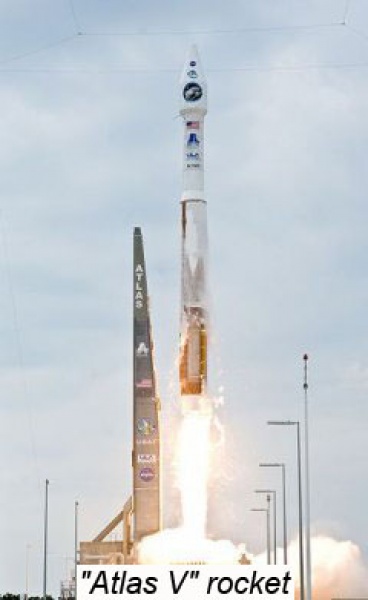 Since 2002, more than 40 cosmic missions of interest to the Pentagon and NASA were conducted by "Atlas V" rocket which has a Russian-designed-and-built rocket engine "RD-180".
These rockets are made by private enterprise on the basis of direct contracts with Russia, and private owners do not care about sanctions.
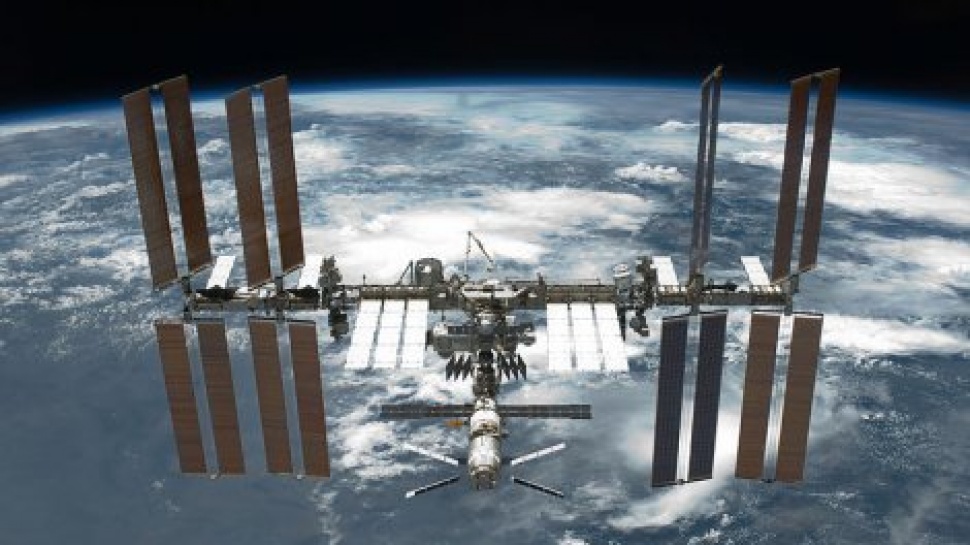
Sanctions also can not affect the common cosmic missions related to the International Space Station.
Moscow, after the announcement of U.S. cosmic sanctions that initially bypassed ISS, said that Russia itself does not have any other major projects which could be affected by sanctions, and it turns out that the United States punish themselves.
NASA has estimated that sanctions could stimulate Russia to terminate any agreements related to the ISS, which would be extremely painful for NASA itself.
Some programs are still suspended. For example, the possibility of a joint mission for automated exploration of Venus as well as testing of a model of American aircraft with wide fuselage in the Russian aerodynamic tubing are terminated, said, "Voice of Russia".
Share the News