

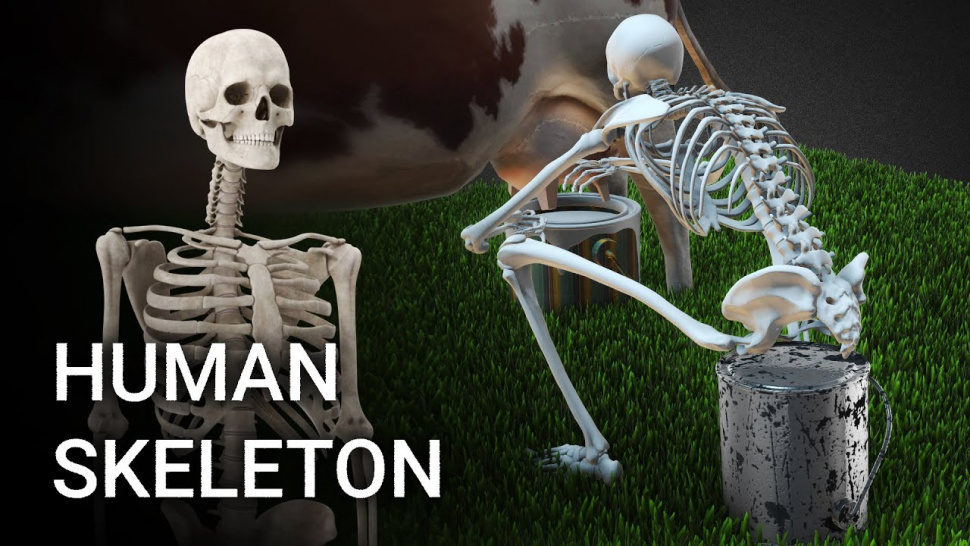

Our skeleton is definitely less dynamic than most other organ systems in the human body. But, the skeleton has many other magnificent physical properties to help support the human body and also some amazing biological properties that regulate the body's functioning. In this article, I will give you some truly remarkable properties of the skeleton.
The skeleton influence on Sugar Metabolism
The skeleton is part of the endocrine system and regulates sugar metabolism, which greatly influences how certain fats metabolize within the body. Scientists at the Colombia University MC in 2007 proved that bone cells in the human body regulate levels of blood sugar and deposition of fat through secretion of the osteocalcin hormone. Osteocalcin has the ability to increase the secretion of insulin, but at the same time, it doesn’t decrease insulin sensitivity which can be commonly seen in connection with increased secretion of insulin. Furthermore, osteocalcin works as a booster for a number of B-cells that are insulin-producing pancreatic. This chemical also has the ability to migrate to places where fat is stored. It is quite clear why our skeleton is a very important regulator of metabolism with an enormous influence on how our organism regulates our metabolism of sugars and also the loss and gain of weight.
As a result of all this, skeletal system functioning plays a decisive role in addressing the problems connected with type 2 diabetes, considering that levels of osteocalcin are very low in those afflicted. With that ability comes the possibility of diabetes migration through medical intervention. Gerard Karsenty, who is the chair of Columbia University Medical Center’s Genetics and Development Department, stated that they discovered how our bones are responsible for blood sugar regulation in such ways that no one knew before we fully changed our understanding of the function of the skeleton and revealed a main aspect of energy metabolism. The results of this research reveal important aspects of endocrinology that was quite uninvestigated until now.
Bone Replacement
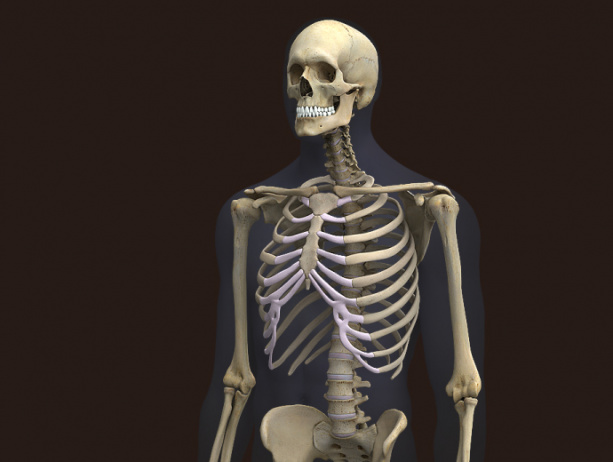
Bones are developing well before our birth and grow well in size over the first 25 years of our life. The human skeleton could be viewed as similar to a steel frame building under construction. Gradually gaining in strength, size, and mineral content, the human skeleton is not built once. Actually, it changes over a person’s lifetime and the most important change is the gradual replacement of bone on an everyday basis, which leads to the replacement of the entire bone structure of every single bone during the 10-year period on average.
During the younger years of our lives, a process of bone formation called “modeling” makes the opportunity for the bone to form while at the same time old bone materials are replaced from the second site within that particular bone, which makes bone growth possible. So-called remodeling of the bones takes place over a lifetime period, becoming the main resource of bone structure change during a person's twenties. Through the process of remodeling, most of our skeleton is completely replaced every 10 years. This complex and long process of bone modeling and remodeling is called “bone metabolism”, and involves five phases of biochemical actions, which includes bone material digestion and sequential rebuilding of new bone structures.
Human Jaw and its incredible Resilience
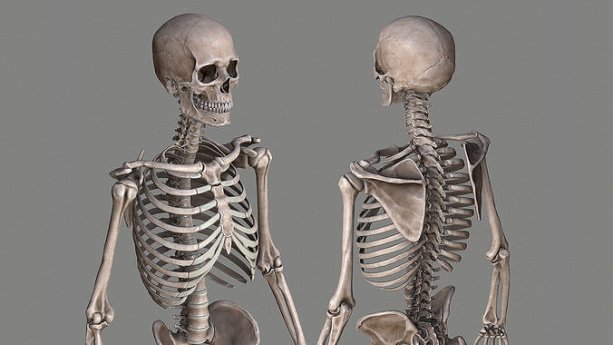
You can imagine what the most complex bone in your body is? You might imagine that is the femur because it is hard for that bone to be easily broken. But this is not true; the most rigid bone in the human body is the mandible, which is the lower jaw bone. This bone is relatively massive and it is the only mobile bone on the skull, and also able to hold the teeth and move a huge amount while holding out repeated and large levels of stress.
This bone is connected to the rest of the head at close right angles. This bone is so hard that allows it has to be accurately fitted and streamlined to efficiently accomplish its purpose while being small enough to fit in scale with the rest of the head bones. The strength of this bone exceeds any other bone in the human body and it is truly an amazing bone, showing how every single bone in the human body has the strength exactly in relation to the job they are supposed to do. We all know that broken jaws do happen, but still, they are far less likely to occur than some other bone in the human body, thanks to their amazing strength and hardness.
Share the News