

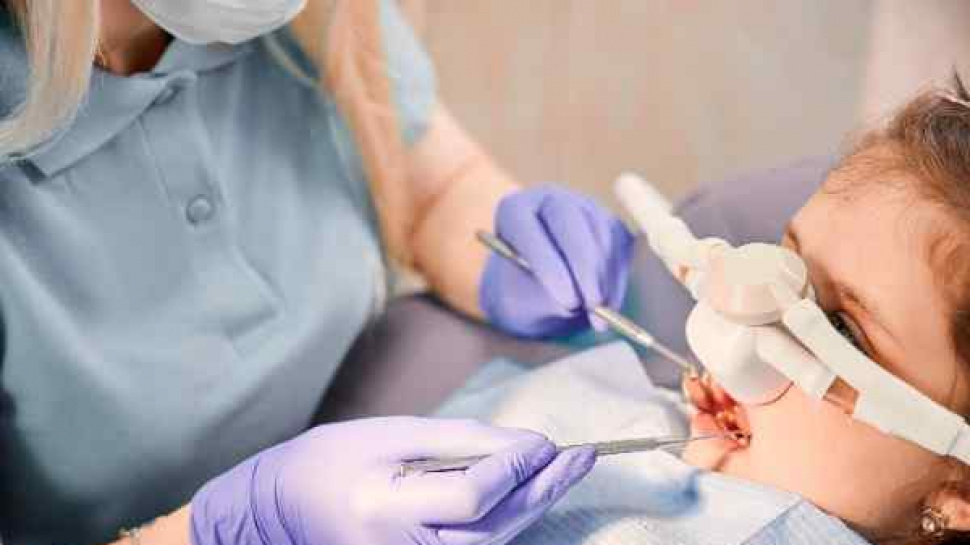

Invisalign has become one of the most popular orthodontic solutions for children who need early intervention or mild-to-moderate alignment correction. Its clear, comfortable design offers an appealing alternative to traditional braces, especially for children who may feel self-conscious about their smile. Parents in Margate increasingly explore clear aligners for convenience, comfort, and predictable results.However, choosing Invisalign for a child is not as straightforward as it might seem. Several important factors ranging from suitability and discipline to oral health and lifestyle must be considered before committing to treatment. This guide outlines the essential points to help parents make an informed decision.
Understanding Invisalign for Children
Clear aligners for children work on the same principle as adult aligners, using a series of transparent trays that gradually shift teeth into their ideal positions. Systems designed specifically for younger patients, such as Invisalign First, accommodate growing mouths and developing dental structures. Unlike metal braces, aligners are removable. This makes brushing and eating easier but also places more responsibility on the child.
The digital planning aspect of Invisalign appeals to many families because the dentist can show a simulation of the expected outcome before treatment begins. Parents researching orthodontic options often encounter digital dentistry in other areas too, such as dental implants Margate, where accurate 3D planning is equally important. This highlights how modern dental treatments rely heavily on precision to achieve predictable results.
Is Your Child a Good Candidate?
Orthodontic Issues Invisalign Can Treat
Invisalign may be suitable for children with:
Mild to moderate spacing
Crowding
Narrow arches
Certain crossbites, overbites, or underbites
These issues can typically be addressed through carefully planned aligner sequences.
Factors That Impact Suitability
Tooth development: Children must have enough erupted teeth for aligners to fit properly.
Growth stage: Younger children in active growth phases may benefit from early orthodontic intervention.
Jaw alignment: Mild bite concerns may be corrected, but complex issues sometimes require braces.
When Braces May Be Better
Treatment may require fixed braces if your child has:
Severe bite discrepancies
Significant tooth rotation
Very narrow jaw arches
Low compliance or difficulty following instructions
A comprehensive consultation determines whether aligners or braces are the best option.
Importance of Child Compliance
One of the biggest considerations for parents is whether the child will reliably wear their aligners for 20–22 hours per day. The success of Invisalign depends heavily on wear time, as inconsistent use can delay progress.
Challenges children may face:
Forgetting to put aligners back after meals
Removing them too often for snacks
Misplacing aligners during school activities
Not cleaning aligners properly
To support parents, younger children’s aligners often include compliance indicators blue dots that fade with consistent wear. This tool helps both parents and dentists monitor how well the child adheres to the treatment plan.
For families familiar with treatments like invisalign Margate, the importance of discipline and routine is often already well-understood.
Benefits of Invisalign for Children
Clear aligners offer several advantages that appeal to both parents and children:
Comfort: No metal brackets or wires means fewer mouth sores or irritation.
Improved Oral Hygiene: Because aligners are removable, children can brush and floss their teeth normally, reducing the risk of plaque build-up.
Aesthetics: The clear appearance boosts confidence especially important for children who may feel self-conscious during school years.
Fewer Food Restrictions: Children can eat normally since aligners must be removed during meals.
Digital Treatment Planning: Parents can view the likely outcome from the start, offering reassurance and a clear picture of how treatment will progress.
These benefits make Invisalign highly appealing, particularly for families seeking a modern, child-friendly orthodontic solution.
Potential Challenges Parents Should Know
Responsibility & Discipline: Children must remember to wear aligners consistently. Parents need to monitor progress, especially in the early stages.
Aligner Loss or Damage: Aligners may be misplaced at school, clubs, or sleepovers. Replacement aligners add inconvenience and may delay treatment.
Snacking Habits: Frequent snacking becomes difficult, as aligners must be removed each time the child eats.
Speech Adjustments: A minor lisp may occur initially, but this usually disappears within a few days.
Parents should discuss these challenges with their child to determine whether they are ready for the responsibility that Invisalign requires.
Assessing Oral Hygiene & Health Before Treatment
Good oral hygiene is essential before starting Invisalign. Teeth and gums must be healthy to support orthodontic movement. This requires:
Treating any cavities before starting
Ensuring gums are free from inflammation
Addressing habits such as thumb sucking
Professional cleaning if needed
Children who struggle with brushing may need extra guidance. Regular dental check-ups help maintain progress and prevent problems during treatment.
Lifestyle Considerations for Children Using Aligners
Sports & Physical Activity
Children who play sports can wear aligners with a mouthguard, although aligners may need to be removed depending on the sport.
School Routine
Children must store their aligners safely during meals preferably in a labelled case and not wrapped in tissues where they may be thrown away accidentally.
Diet and Drinks
No sugary or coloured drinks while wearing aligners
Water is the only safe drink with aligners in
Aligners must be removed before eating
Travel & Holidays
Parents should pack spare aligners and storage cases during trips or school holidays to prevent disruptions to treatment.
Cost, Insurance & Time Commitment
Parents should consider the financial investment involved in Invisalign. Treatment costs vary depending on complexity, length of treatment, and the provider’s expertise. Many dental plans may offer partial cover, although this varies.
Time commitments include:
Regular check-ups every 6–8 weeks
Aligners changed every 1–2 weeks
Occasional refinement stages depending on progress
Proper planning ensures smoother treatment for both parents and children.
Choosing the Right Invisalign Provider in Margate
Selecting a skilled provider ensures that your child receives the highest standard of care. Parents should look for:
Certification and Invisalign experience
Experience working specifically with children
Access to 3D scanning and digital treatment tools
Clear communication and child-friendly consultations
Flexible appointment scheduling
A knowledgeable provider monitors progress carefully, adjusts treatment when needed, and helps children stay motivated throughout their smile transformation.
Conclusion
Invisalign can be an excellent orthodontic option for children, offering comfort, aesthetics, and effective results when used correctly. Parents should consider suitability, responsibility, lifestyle, and dental health before deciding. With Smilo Dental Implants Group the right guidance and consistent wear, children can enjoy a smoother, more enjoyable orthodontic journey. For trusted support and expert orthodontic care, families can rely on Margate.
Share the News