

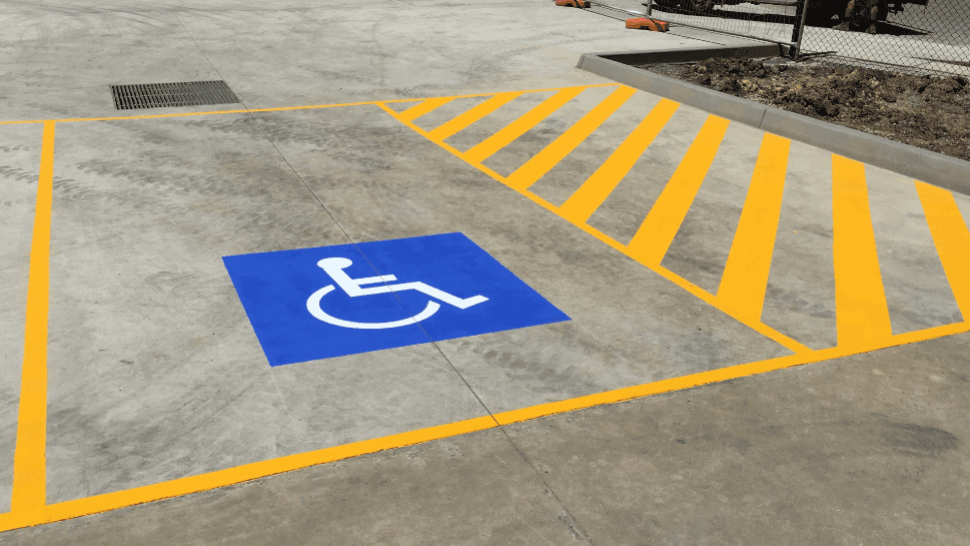

Maintaining a well-marked car park is essential for the smooth flow of traffic and the safety of pedestrians and drivers. Clear, visible lines guide vehicles, prevent confusion, and reduce the risk of accidents. Over time, however, wear and tear can diminish the visibility of markings, making it important to understand how often car park line marking should be refreshed.
Factors Affecting the Lifespan of Car Park Line Marking
Several factors influence how long car park line marking remains effective. Weather conditions play a significant role, as heavy rain, sun exposure, and extreme temperatures can gradually fade paint. High traffic volumes also accelerate wear, particularly in busy shopping centres, office complexes, and industrial sites. The type of paint or thermoplastic used is another consideration, with some materials designed for longer durability than others.
Traffic Volume and Usage Patterns
The frequency of line marking maintenance is often dictated by the intensity of use. Car parks with heavy daily traffic may require repainting every 12 to 18 months, while less busy areas might remain clear for two to three years. Regular monitoring is essential to identify fading or damage before it impacts safety. Lines that are barely visible can cause confusion, increase the likelihood of accidents, and create a poor impression for visitors.
Regulatory and Safety Requirements
Australian guidelines emphasise the importance of clear line marking to comply with safety standards. While there is no fixed legal interval for repainting lines, property managers are responsible for ensuring markings are legible and meet visibility requirements. This includes pedestrian crossings, disabled parking bays, directional arrows, and bay lines. Conducting routine inspections ensures that markings comply with safety standards and maintain a professional appearance.
Seasonal Considerations
Different seasons can affect the timing of car park line marking. In regions with heavy rainfall or extreme heat, markings can deteriorate faster, requiring more frequent attention. Scheduling maintenance during milder weather can improve the adhesion and longevity of paint, ensuring that lines remain crisp and visible for longer periods. Planning ahead for seasonal changes can help property managers maintain safe and orderly car parks year-round.
Signs That Repainting Is Needed
Knowing when to refresh car park line marking is key to avoiding safety hazards. Faded or chipped lines, unclear directional arrows, and worn-out pedestrian crossings are clear indicators. If drivers have difficulty recognising parking bays or navigating traffic flow, it is time to schedule maintenance. Proactive repainting can prevent accidents and maintain an organised environment, supporting smooth operations and positive visitor experiences.
Car park line marking is not a one-time task; it requires regular attention to ensure safety and efficiency. The frequency of repainting depends on traffic levels, weather conditions, paint quality, and regulatory standards. Regular inspections and timely maintenance allow property managers to address wear before it becomes a hazard. By monitoring line visibility and planning maintenance accordingly, car parks can remain safe, orderly, and visually clear, enhancing the overall experience for drivers and pedestrians alike.
This approach ensures that car park line marking continues to serve its purpose effectively while meeting safety and operational requirements throughout its lifespan.
Share the News