

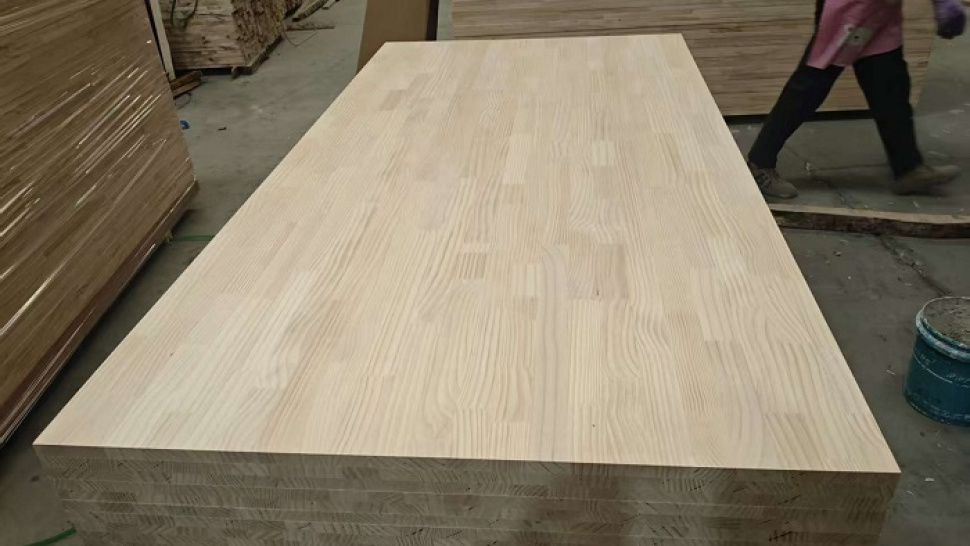

Building reliable shelving requires more than just a good design. The material choice sets the foundation for how long your shelves will last, how much weight they can handle, and how they will look in your space for years to come. Finger joint pine plywood has become a popular option for shelving projects, admired for its balance of affordability, strength, and clean appearance. But one question often comes up: can it truly support a generous load, and is it dependable enough for long-term use?
Understanding the load capacity of any shelving material means looking beyond surface appearance. It involves considering the structure of the material, how it behaves under pressure, and how its construction influences the lifespan of the finished product. Finger joint pine plywood carries several advantages that make it a strong candidate, but like any material, it has details worth knowing before you fill your shelves with books, tools, or décor.
This in-depth look explains how finger joint pine plywood performs as shelving, what influences its load-bearing ability, and how to ensure your finished shelves remain sturdy and dependable.
Understanding Finger Joint Pine Plywood
Finger joint pine plywood is made by combining two engineered approaches. First, the plywood portion involves stacking thin layers of pine veneer with alternating grain directions. This cross-lamination boosts stability and reduces warping. Second, the face veneers or edge components may incorporate finger jointed pine strips, which use interlocking cuts to join small pieces end‑to‑end.
The result is a sheet that combines:
Improved stability from plywood construction.
Efficient resource use thanks to finger jointed components.
A smooth, consistent appearance free of large knots.
Predictable performance for woodworking and cabinetry.
These characteristics set it apart from solid pine boards, which often carry knots, variable grain density, and a tendency to warp under changing humidity.
Why Finger Joint Pine Plywood Works Well for Shelving
Shelving requires a material that resists bending, maintains shape over time, and handles weight without sagging. Several features of finger joint pine plywood support these needs:
Its cross-laminated layers give it strength across both orientations.
The engineered structure minimizes seasonal movement.
The surface remains smooth and uniform, which is ideal for paint or clear finishes.
Boards stay straighter than many solid pine options.
This combination of stability and appearance makes it a versatile solution for pantries, closets, bookshelves, office storage, and living room built‑ins.
Load Capacity: What You Can Expect
The load capacity of finger joint pine plywood depends on several factors, including the thickness of the sheet, span length, load distribution, and whether there is reinforcement.
Thickness Matters
The most common thicknesses used for shelving include:
12 mm (roughly 1/2 inch) – suitable for light décor or small household items, especially with shorter spans.
18 mm (roughly 3/4 inch) – widely used for bookshelves, pantry shelving, and general household storage.
24 mm (roughly 1 inch) – ideal for heavy-duty shelves carrying tools, large books, or equipment.
As a general principle, thicker plywood resists deflection far better than thinner sheets.
Span Length and Support
How far your shelves span between supports significantly affects load capacity. Even strong plywood will bend if the span is too long. For finger joint pine plywood:
18 mm thickness performs reliably at spans of 60–90 centimeters for moderate loads.
Support brackets or cleats beneath the shelf dramatically increase load capacity, reducing the risk of long-term sagging.
Adjustable shelving systems that support the shelf on both sides help distribute weight more evenly.
Load Distribution
Even distribution of weight matters. A row of evenly placed books will stay stable, while a single heavy item placed off-center may increase stress on one point. For best performance:
Place heaviest items near the ends where the shelf has strongest support.
Avoid stacking concentrated weight in the center without reinforcement.
Real-World Performance
In practical use, finger joint pine plywood handles frequent shelving tasks well:
Kitchen and pantry shelves maintain shape under canned goods and dishes.
Bookcases stay straight when the span and thickness are appropriate.
Closet shelving holds clothing, linens, and storage bins without issue.
Its reliable stiffness and resistance to warping give it an edge over solid pine boards, which can twist or cup even when properly finished.
Comparing Finger Joint Pine Plywood with Other Materials
When choosing shelving material, it helps to understand how finger joint pine plywood compares to other common options.
Solid Pine
More prone to warping and twisting.
Contains knots that weaken structural integrity.
Attractive for natural finishes but less predictable under heavy loads.
MDF
Very smooth and consistent.
Handles paint beautifully.
Sags more easily under weight compared to plywood.
Poor moisture resistance.
Particleboard with Laminate
Affordable and widely available.
Performs adequately for light household use.
Weakest against long-term load and moisture.
Finger joint pine plywood sits comfortably between affordability and strength, offering better load resistance than MDF or particleboard while remaining more cost-effective and stable than many solid wood options.
Surface Quality and Appearance
Shelving doesn’t just need to be strong; it has to look good as well. Finger joint pine plywood is known for a clean, knot-free surface. This makes it ideal for:
Painted shelving that requires a crisp, uniform appearance.
Modern styles that favor smooth edges and straight lines.
Contemporary and Scandinavian-inspired interiors.
For those who prefer natural wood finishes, the finger joint elements may show slightly under stain, but with a clear coat or tinted finish, the grain pattern can still provide an attractive, warm look.
Edge banding or solid wood edging can also give shelves a more refined, furniture-grade appearance.
Moisture Resistance and Stability Over Time
While not designed as exterior-grade plywood, finger joint pine plywood performs well in general household environments. With a proper finish, it maintains stability even in areas with moderate humidity such as closets, laundry rooms, or kitchens.
A few tips to maintain long-term performance:
Apply a sealer or protective topcoat to prevent moisture penetration.
Avoid placing the shelving in direct contact with damp walls.
Use primer under paint to achieve a long-lasting, smooth surface.
With these simple precautions, the plywood retains shape and strength, reducing the risk of swelling or delamination over time.
Installation Techniques to Maximize Load Capacity
Even the strongest plywood benefits from proper installation. To make sure your finger joint pine plywood shelving performs at its best, consider the following techniques:
Add a backer strip or rail under the shelf to multiply load resistance.
Use wall cleats on three sides of recessed shelving for added support.
Place vertical supports in taller shelving units to divide spans and reduce bending.
Secure fasteners properly to studs or solid anchors rather than relying on drywall alone.
These simple construction steps can significantly increase load capacity, especially for long shelves or heavy items.
Where Finger Joint Pine Plywood Works Best
This material excels in several areas around the home:
Home Offices
Books, printers, and supplies fit securely on shelves that remain stable and visually appealing.
Living Rooms
Floating shelves or wall units built with finger joint pine plywood offer strength while maintaining clean lines.
Pantry and Kitchen Storage
The smooth surface is easy to clean and holds substantial weight when properly supported.
Closets
Long shelves for clothing or seasonal items stay flat, even with continuous use.
Workshops or Craft Rooms
Its rigidity offers dependable support for materials, bins, or tools when built with the right thickness.
A Material You Can Rely On
Finger joint pine plywood offers a dependable blend of strength, affordability, and stability that makes it a strong contender for shelving. Its engineered construction provides a consistent performance that outshines many solid wood options at similar price points. With appropriate thickness, proper support, and a good finish, shelves made from this material carry impressive loads while maintaining a clean, polished appearance.
For homeowners looking to build custom shelving that looks good, functions well, and stays within a realistic budget, it’s a choice that delivers dependable results with very few drawbacks. Whether you're building a single floating shelf or an entire wall unit, finger joint pine plywood provides the confident load capacity and everyday reliability your shelving projects need.



Share the News