

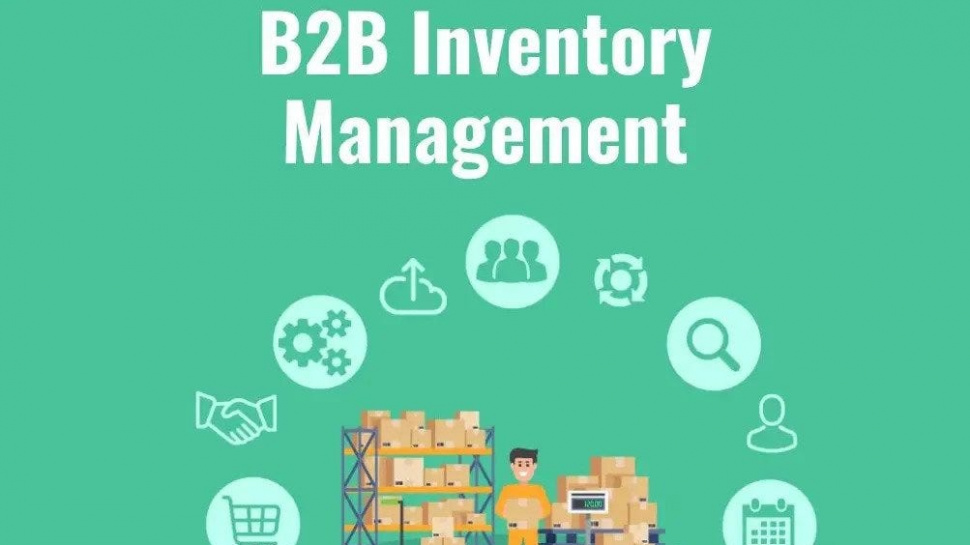

Managing stock efficiently is a critical component of running a successful B2B business. Companies dealing with large volumes of products, multiple warehouses, and complex supply chains face unique challenges that require strategic planning and modern tools. Inefficient stock management can lead to overstocking, stockouts, lost sales, and wasted resources, ultimately affecting customer satisfaction and profitability.
Implementing the right strategies and leveraging technology can transform inventory processes, ensuring that businesses maintain optimal stock levels, reduce operational costs, and improve overall efficiency. This blog explores the top strategies for effective stock management in B2B companies.
Understanding Stock Management in B2B Context
Stock management in a B2B environment involves monitoring, controlling, and optimizing inventory across multiple warehouses, suppliers, and distribution channels. Unlike B2C businesses, B2B operations typically deal with larger order volumes, longer supply cycles, and more complex product assortments.
Using b2b inventory management software can be particularly beneficial in this context. These solutions provide centralized visibility across all locations, automate key processes, and offer data-driven insights to help businesses maintain accurate stock levels. Proper stock management ensures seamless operations, reduces costs, and supports reliable order fulfillment.
Key Challenges in B2B Stock Management
B2B companies face several stock management challenges, including:
High Volume and Complexity: Managing multiple SKUs across several warehouses can be overwhelming.
Demand Forecasting: Predicting bulk orders and seasonal demand accurately is critical.
Supplier Coordination: Efficiently aligning procurement schedules with suppliers to avoid delays.
Inventory Costs: Balancing holding costs and minimizing waste while ensuring product availability.
Visibility: Lack of transparency across supply chains can lead to stock discrepancies and operational inefficiencies.
Addressing these challenges requires a combination of strategic approaches and technology-enabled solutions.
Strategies for Efficient Stock Management
Real-Time Inventory Tracking
Real-time inventory tracking is a cornerstone of efficient stock management. Utilizing barcode scanning or RFID technology allows businesses to monitor stock levels accurately across all locations.
With real-time data, teams can quickly detect discrepancies, prevent stockouts, and ensure products are available when needed. This level of visibility also reduces human errors associated with manual tracking, improving both efficiency and accuracy.
Forecasting and Demand Planning
Accurate demand forecasting is essential for minimizing excess stock and avoiding shortages. By analyzing historical sales data, market trends, and seasonal fluctuations, businesses can better predict customer demand.
Advanced forecasting tools integrated within inventory systems allow B2B companies to align procurement and production schedules with anticipated demand. Predictive analytics ensures that inventory levels remain optimal, reducing waste and holding costs.
Automate Replenishment Processes
Automation streamlines the replenishment process by setting reorder points and generating purchase orders automatically. Automated systems can trigger stock replenishment before products run out, ensuring uninterrupted operations.
For large B2B companies, automation reduces the risk of human error and saves valuable time. Combining automation with b2b inventory management software allows teams to manage bulk inventory efficiently, ensuring timely procurement and distribution.
Optimize Warehouse Layout and Processes
An organized warehouse layout is crucial for efficient stock management. Properly arranged storage and clearly labeled inventory improve picking, packing, and shipping speed.
Implementing warehouse management systems (WMS) further enhances operational efficiency by tracking product locations, managing space utilization, and coordinating labor. Optimized processes reduce labor costs and improve order fulfillment accuracy, enhancing overall customer satisfaction.
Integrate Inventory Management with Other Business Functions
Integrating inventory systems with sales, procurement, and accounting platforms ensures seamless data flow between departments. This integration improves coordination, reduces manual data entry, and provides a holistic view of operations.
By connecting b2b inventory management software with ERP or CRM systems, businesses can automate processes such as order fulfillment, billing, and reporting. This unified approach allows for better decision-making, faster response times, and improved overall efficiency.
Regular Audits and Performance Reviews
Routine audits and performance reviews help maintain accurate inventory levels. Conducting cycle counts and stock audits ensures that records match physical inventory.
Monitoring key performance indicators (KPIs) such as turnover rates, order accuracy, and stock aging helps identify bottlenecks and areas for improvement. Continuous evaluation allows businesses to refine their inventory strategies and respond proactively to challenges.
Benefits of Efficient Stock Management
Implementing the strategies outlined above delivers several tangible benefits:
Reduced Costs: Lower holding and operational costs by maintaining optimal inventory levels.
Improved Order Fulfillment: Ensure products are available for customers, reducing delays and backorders.
Enhanced Cash Flow: Avoid excess stock that ties up working capital.
Minimized Stockouts and Overstocking: Balance supply with demand efficiently.
Scalability: Streamlined processes support growth and expansion into new markets.
Efficient stock management also contributes to stronger supplier relationships and higher customer satisfaction.
Technologies Driving Efficient Stock Management
Several technologies are instrumental in achieving efficient inventory management:
Cloud-Based Inventory Platforms: Enable real-time tracking and centralized data access.
Barcode and RFID Systems: Improve accuracy and reduce manual errors.
Automation Tools: Streamline replenishment, approvals, and reporting processes.
Analytics and AI: Provide predictive insights for demand planning.
ERP Integration: Ensures synchronization across sales, finance, and procurement functions.
These technologies empower businesses to make data-driven decisions and maintain operational excellence.
Best Practices for Implementation
To successfully implement efficient stock management strategies:
Train staff thoroughly on inventory processes and tools.
Ensure accurate, real-time data input across systems.
Regularly monitor KPIs and adjust strategies as needed.
Choose scalable solutions that integrate with existing business systems.
Prioritize security and compliance to protect sensitive inventory data.
Following these practices ensures a smooth transition to more efficient, technology-driven inventory management.
Common Pitfalls to Avoid
Relying solely on manual processes for tracking inventory
Using multiple disconnected tools without integration
Ignoring data analytics for forecasting and decision-making
Poor communication between warehouses, suppliers, and sales teams
Avoiding these pitfalls ensures that stock management strategies are effective and sustainable.
Future Trends in B2B Stock Management
The future of B2B stock management is increasingly digital and data-driven. Key trends include:
AI-Driven Demand Forecasting: Predictive insights to optimize inventory levels.
Autonomous Warehouses: Robotics and automation for faster processing and accuracy.
Cloud-Based Real-Time Platforms: Enhanced visibility across all supply chain nodes.
Global Supply Chain Integration: Real-time collaboration with suppliers and partners for smarter stock planning.
Businesses that adopt these innovations early will maintain a competitive edge while improving efficiency and customer satisfaction.
Conclusion
Efficient stock management is critical for B2B companies seeking to reduce costs, improve order fulfillment, and maintain operational excellence. Strategies such as real-time inventory tracking, demand forecasting, automation, warehouse optimization, and integration with business systems can significantly enhance performance.
Leveraging modern tools like b2b inventory management software enables businesses to streamline operations, make data-driven decisions, and maintain visibility across multiple locations. By implementing these strategies, B2B companies can achieve cost savings, operational efficiency, and long-term growth.
Share the News