

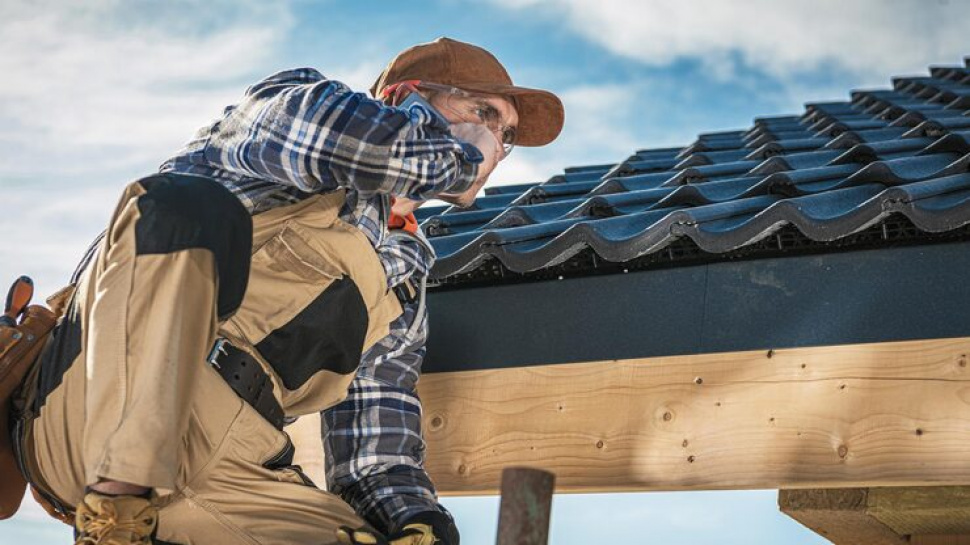

Water intrusion can damage equipment, weaken structural components, and interrupt business activities. Working with a qualified roofing contractor helps property owners reduce these risks and limit the need for major repairs. Through proper planning, precise installation, and ongoing oversight, long-term roofing performance becomes more predictable and manageable.
Starting With a Thorough Roof Assessment
Every successful commercial roofing project begins with a detailed evaluation. Professionals examine the existing structure, identify vulnerable areas, and review drainage systems. This early assessment uncovers hidden weaknesses that may not be visible at first glance. By understanding the building’s layout and environmental exposure, contractors can recommend appropriate materials and design strategies. Careful preparation prevents common installation errors that often lead to future repair issues.
Ensuring Proper Installation Techniques
Installation quality directly affects how long a roof will last. Small mistakes during this phase can lead to ongoing maintenance problems. Misaligned seams, poorly secured flashing, or uneven insulation create entry points for moisture.
A skilled roofing contractor follows established guidelines to ensure materials are fitted correctly and sealed tightly. Attention to structural movement is also important. Commercial roofs expand and contract as temperatures change. Proper fastening and spacing help prevent cracking and separation over time.Correct slope design further protects the building. When water drains efficiently, the roof surface experiences less stress. This reduces the likelihood of standing water, which is a common cause of premature deterioration.
Protecting Against Environmental Stress
Commercial roofs face constant exposure to sun, wind, rain, and debris. Over time, these elements can weaken materials. Professional installation and planning help roofs withstand these conditions more effectively.
High-quality insulation and secure sealing reduce the impact of temperature fluctuations. When the roof maintains stable internal conditions, materials are less likely to warp or degrade. This added resilience plays a significant role in minimizing future repair needs.
The Value of Routine Inspections
Even well-installed roofs require ongoing attention. Regular inspections allow small problems to be addressed before they grow into costly repairs. Minor punctures, membrane shrinkage, or loose components can be corrected quickly when identified early.
A roofing contractor conducts systematic evaluations, checking drainage systems, flashing, and rooftop equipment seals. These inspections help prevent water infiltration and structural damage. Early intervention is typically less expensive than emergency repairs after a major failure.
Addressing Drainage and Water Management
Water management is critical for commercial roofing longevity. Clogged drains or damaged gutters can cause pooling, which increases pressure on the roofing membrane. Over time, this pressure accelerates wear and tear.
Professional maintenance ensures drainage pathways remain clear and functional. By preventing standing water, contractors significantly reduce the likelihood of leaks and structural weakening.
Long-Term Planning for Roof Performance
Reducing future repairs involves more than fixing visible damage. It requires a long-term approach. Maintaining service records and inspection reports helps property owners track changes in roof condition over time. With documented assessments, building managers can plan upgrades or replacements strategically. Scheduled improvements are often more cost-effective than reacting to unexpected failures. This organized approach keeps repair costs predictable and manageable.
Commercial roofing systems represent a substantial investment. When installed correctly and maintained with consistent oversight, they provide reliable protection for many years. Professional guidance ensures that minor concerns are addressed promptly and that the roof continues performing as designed. Through thoughtful planning and proactive care, businesses can significantly reduce the need for major repairs while protecting their property and operations.
Share the News