

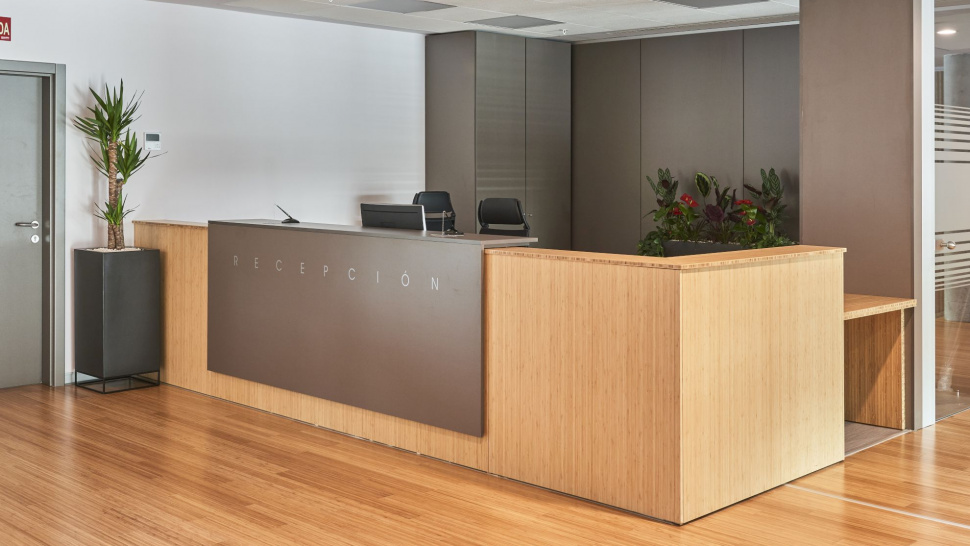

Bamboo has spent the last decade gradually moving from a specialty material to a respected staple in interior design. As manufacturing processes improve and more designers experiment with natural surfaces, bamboo furniture boards have earned a prominent place in cabinetry, built‑ins, wall systems, and custom furniture. The coming year brings a fresh wave of ideas shaped by shifts in sustainability priorities, new fabrication techniques, and a renewed interest in warm, tactile interiors.
Below is a naturally written, professional‑toned look at the major bamboo furniture board design trends shaping 2026, along with context that helps explain why these shifts are happening.
Rising Preference for Calm, Minimal Grains
One of the clearest trends heading into 2026 is the preference for subtle, soothing grain lines. Vertical‑grain bamboo furniture boards are becoming popular again, favored for their delicate lines and ability to create calm, structured surfaces. Homes are moving away from highly patterned woods and toward materials that feel orderly yet natural. The straight grain of bamboo suits this direction well.
Horizontal‑grain, once the dominant choice in contemporary interiors, still maintains a strong presence but is used more selectively. Designers now apply it to create visual anchoring in kitchens and living areas, using the linear pattern to draw the eye without overwhelming the space.
Strand‑woven bamboo, with its bold, interlaced pattern, is finding a niche in accent pieces rather than full cabinetry runs. Sideboards, coffee tables, and built‑ins centered around entertainment areas use this more dramatic construction to highlight a room’s focal points.
Warm, Natural Tones Lead the Way
2026 interiors are moving toward a palette that emphasizes comfort, softness, and earthy warmth. Bamboo furniture boards in natural, honey, and lightly toasted shades suit this trend beautifully. Instead of heavily carbonized, darkened bamboo, designers prefer tones that show the material’s organic brightness.
These colors pair well with muted greens, clay hues, cream, soft gray, and matte black hardware. The blend creates spaces that feel grounded without slipping into rustic territory. It’s a balance many homeowners appreciate: clean yet inviting, streamlined yet tactile.
Subtle shading is also gaining interest. Some manufacturers now offer bamboo boards with gentle tonal variations achieved through careful steaming rather than synthetic staining. These variations add depth to large cabinet faces and built‑in systems.
More Interest in Textured Finishes
While smooth bamboo panels remain classic, textured bamboo furniture boards are gaining momentum through several techniques:
• Brushed finishes that follow the grain to create soft ridges
• Cross‑cut textures adding a slightly rustic, horizontal movement
• Matte finishes that tone down reflectivity
• Hand‑sanded edges giving custom furniture a crafted feel
These surface treatments align with a broader appreciation for materials that feel natural to the touch. Designers often pair textured bamboo with stone countertops, linen upholstery, and satin metal hardware for a layered, tactile environment.
Thicker Profiles for Custom Furniture
Thicker bamboo furniture boards—often 30 mm or more—are emerging as a design favorite. Their bold edges work well for floating shelves, minimalist desks, dining tables, and console tops. The thicker profile creates visual sturdiness while maintaining a refined appearance.
This trend reflects an interest in solid, confident silhouettes without relying on bulky hardwoods. Bamboo’s density allows these thicker boards to feel luxurious without becoming visually heavy.
In kitchen design, waterfall countertops made from thick bamboo panels are gaining traction. These pieces integrate seamlessly with cabinetry made from thinner matching bamboo boards, creating a unified and contemporary look.
Expansion of Integrated Storage Concepts
The increased use of bamboo furniture boards is closely tied to the growing popularity of integrated, built‑in storage throughout the home. Designers are taking advantage of bamboo’s consistent grain and color to craft:
• Full‑height wall systems
• Closet organizers
• Window seats with concealed storage
• Custom wardrobe cabinetry
• Home office built‑ins
The uniformity of bamboo allows these components to stretch across large areas without the visual interruption that natural hardwoods sometimes produce. This consistency gives large built‑ins a cohesive, architectural quality—one of the reasons bamboo stands out for streamlined modern interiors.
Soft Curves and Rounded Corners
Another defining trend for 2026 is the shift toward curved lines in furniture design. Edges that would once have been sharply squared are now softened. Bamboo furniture boards lend themselves surprisingly well to this form when manufactured in flexible, thin laminates or shaped using edge-bending techniques.
Rounded corners on cabinet doors, curved shelf fronts, and arc‑shaped desk edges fit with current preferences for organic, gentle shapes. These forms also enhance safety in high‑traffic areas like kitchens while giving furniture a more welcoming presence.
Mixed Material Pairings
Bamboo furniture boards pair well with a variety of complementary materials, and designers are exploring these combinations more boldly. Common pairings gaining traction include:
• Bamboo with matte black or brushed brass hardware
• Bamboo with reeded or frosted glass
• Bamboo combined with powder‑coated steel frames
• Bamboo and natural fabrics like linen or woven paper cord
• Bamboo with terrazzo or soft‑toned stone
The contrast between bamboo’s warm linear grain and metals or stone creates balanced, character‑rich interiors. In furniture pieces, bamboo often forms the primary surfaces, while metal legs or framing add structure and contemporary flair.
Sustainable Stories Behind the Material
Consumers are becoming more attentive to the environmental backstory of the materials they choose. Bamboo’s fast growth cycle and smaller ecological footprint fit neatly into these priorities. Homeowners appreciate materials that feel responsible without compromising aesthetics or durability.
Manufacturers who provide transparency in sourcing and adhesive formulations are seeing an uptick in interest. Low‑VOC and formaldehyde‑free options, in particular, are becoming standard preferences. These choices suit not only eco‑conscious buyers but also families concerned about indoor air quality.
This trend suggests that bamboo’s appeal is no longer limited to its appearance but extends to the values it represents in modern design.
Custom Millwork Becomes More Accessible
As more workshops gain experience with bamboo furniture boards, custom millwork has become more attainable. Shops familiar with bamboo now offer precision joinery, custom edging, and tailored finishes that highlight the material’s unique grain.
Homeowners exploring custom kitchen cabinetry or bespoke furniture are discovering that bamboo is no longer a niche product requiring special handling. More fabricators can machine it with consistency, producing refined pieces that rival hardwood craftsmanship.
This increased availability is pushing designers to explore more intricate bamboo applications, such as:
• Built‑in banquettes
• Louvered fronts for cabinets
• Slatted acoustic wall treatments
• Japanese and Scandinavian‑influenced room dividers
• Oversized sliding panels
These new uses broaden bamboo’s potential beyond simple boards and into complex architectural features.
Lightweight, Open‑Framed Designs
Alongside thick, bold profiles, 2026 also embraces open, airy furniture forms. Designers are creating lightweight shelving units and cabinets that use bamboo panels strategically to maintain structure while leaving space visually open.
Framework designs featuring slender bamboo rails combined with inset bamboo panels or glass create furniture that feels both sturdy and breathable. These pieces work well in smaller homes where visual heaviness can make rooms feel cramped.
This approach also aligns with the growing interest in modular, reconfigurable furniture. Bamboo furniture boards fit nicely into modular systems because they resist warping and maintain their clean lines over time.
Refined Edge Treatments
Another emerging direction is the attention given to edge detailing. Rather than hiding the layered structure of bamboo plywood, designers are featuring it proudly. Some projects emphasize the striped edges as a visual accent, while others round or bevel the edges to create soft transitions.
Edge treatments trending for 2026 include:
• Gently curved edges for tabletops
• Exposed laminated edges as decorative features
• Thin bevels on cabinet door fronts
• Continuous edge banding that matches the panel grain
These edges reflect a broader movement toward craftsmanship and subtle detailing. Bamboo’s layered construction becomes an asset rather than something to cover.
Greater Interest in Durable, Everyday Use Cases
Beyond aesthetics, homeowners in 2026 are paying closer attention to how materials hold up in everyday life. Bamboo furniture boards have earned a reputation for durability, which explains their increasing presence in high‑use areas such as:
• Family kitchens
• Mudrooms
• Entryway storage solutions
• Laundry rooms
• Children’s study spaces
The dense construction of bamboo plywood panels makes them highly resistant to dings and dents, and with proper finishing, they stand up well in spaces where cleaning and maintenance happen frequently.
A Materials Trend That Feels Mature
Bamboo furniture boards are gaining popularity not as a passing trend, but as a design material that has matured into a dependable choice for both modern and classic interiors. Their warm tones, consistent grain, structural strength, and growing variety of finishes make them suitable for numerous applications.
The trends shaping 2026 point to a broader appreciation for materials that feel natural, honest, comfortable, and lasting. Bamboo fits those values with ease, and as fabricators create more variations and designers continue experimenting, its role in furniture and interior architecture is set to expand even further.



Share the News