

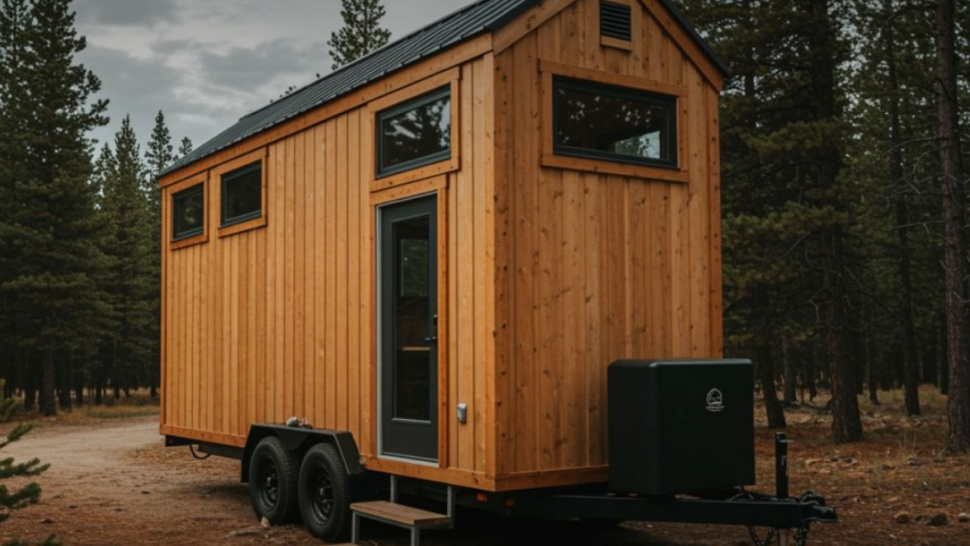

You hear “tiny home builders Colorado” and probably picture a small cabin on wheels, mountains in the background, easy life. That’s the Instagram version. Real life is messier. Builders out here aren’t just putting up cute little homes. They’re dealing with zoning fights, permits that don’t make sense, and buyers who think tiny automatically means simple. It doesn’t. Not in Colorado.
Most legit tiny home builders spend a surprising amount of time just figuring out where your home can legally sit. City rules, county rules, sometimes even neighborhood-level restrictions. And yeah, they change. A lot. So when someone says they build tiny homes, what they’re really doing is navigating a system that wasn’t built for tiny houses in the first place. That’s the part people don’t see.
Understanding Tiny House Code Before You Build Anything
Let’s be blunt here. If you ignore tiny house code, you’re asking for trouble. Fines, relocation orders, sometimes worse. Colorado isn’t one single rulebook either. Some areas follow the International Residential Code appendix for tiny homes, others don’t. Some allow homes on wheels, others treat them like RVs and push them out.
Good builders know this stuff. Not perfectly, no one does, but they’ve been through enough projects to spot problems early. Ceiling height rules, stair specs, loft access, emergency exits… all that boring detail? That’s where builds either pass or fail. You don’t want to learn that after your home is already finished. Happens more than you’d think.
Why Colorado Is Tricky for Tiny Homes (Yeah, It Is)
Colorado sounds like the perfect place for a tiny house. Land, views, freedom. But the reality has friction. Mountain towns have strict building rules. Urban areas? Even tighter. And then there’s utilities. Water, sewage, electricity… connecting those to a tiny home isn’t always straightforward.
Some counties are more flexible. Others, not so much. You might find land that looks ideal, then realize it won’t legally support a tiny house. That’s where experienced tiny home builders Colorado folks really matter. They’ve seen the traps. They’ll tell you upfront if something feels off. Or they should. If they don’t, that’s a red flag.
Tiny Homes on Wheels vs Foundations — Big Difference
This part confuses a lot of buyers. A tiny home on wheels is not treated the same as one on a foundation. Not even close. Wheels often mean RV classification. Which means different rules, different parking restrictions, sometimes limited long-term living permissions.
Foundation homes fall under residential building codes. More stable legally, but also more expensive and more paperwork. It’s a trade-off. Builders usually lean one way or the other, depending on their experience. Some specialize in mobile units, others in permanent builds. You kind of need to decide early, because it changes everything down the line.
What Good Tiny Home Builders Actually Do (Beyond Building)
A solid builder isn’t just swinging a hammer. They’re part consultant, part problem solver, part reality check. They’ll walk you through design choices that actually meet tiny house code, not just look good on Pinterest.
They’ll also talk budget in a real way. Not the dreamy version. Materials cost more in Colorado. Labor too. And custom tiny homes? Those numbers climb fast. A good builder will tell you where to save and where not to cut corners. Insulation, for example. You don’t want to cheap out there. Winters will remind you why.
Common Mistakes Buyers Make (Seen It Too Many Times)
People rush. That’s the biggest one. They fall in love with the idea of a tiny home and skip the groundwork. No zoning research, no code checks, just straight to design. Then things hit a wall.
Another mistake? Assuming all tiny homes are legal everywhere. They’re not. And assuming builders handle everything automatically. Some do. Some don’t. You’ve got to ask. Permits, land compatibility, utility hookups… don’t assume anything. It sounds harsh, but it saves headaches later.
Cost Talk — Not Cheap, Just Smaller
Let’s clear this up. Tiny doesn’t mean cheap. It can be more affordable than a traditional home, sure. But per square foot, tiny homes are often more expensive. Custom work, compact systems, specialized materials… it adds up.
Tiny home builders Colorado clients work with usually price based on customization level. Basic builds exist, but most people want something tailored. And once you start customizing, costs creep. Fast. Still, for many, it’s worth it. Less space, less maintenance, more control over lifestyle. That’s the trade.
Finding the Right Builder Without Getting Burned
Not every builder is equal. Some are great craftsmen but weak on code knowledge. Others understand regulations but cut corners on build quality. You want both. Hard to find, but not impossible.
Ask questions. A lot of them. Past projects, permit experience, how they handle tiny house code in different counties. If answers feel vague, walk away. Seriously. The right builder won’t rush you. They’ll probably slow you down, if anything. That’s a good sign.
Share the News