


Driveways seem simple until you actually have to pick one. Then suddenly you're comparing concrete, gravel, asphalt, stone… and yeah, it gets messy fast. People want the best material for a driveway, but that phrase means different things depending on your house, your climate, and honestly your patience with maintenance. Some surfaces crack. Some shift. Some stain like crazy. That’s why more homeowners keep circling back to brick pavers for driveway installations. They’re not new. Not trendy either. Just reliable. And sometimes boringly reliable is exactly what a driveway needs.
Why Brick Pavers Keep Showing Up In Well-Built Driveways
There’s a reason you see brick pavers in older neighborhoods that still look decent twenty years later. The system works. Individual bricks sit on a compacted base, locked together with sand and edge restraints. No giant slab that cracks down the middle when the ground shifts. Instead, the driveway moves a little, breathes a little. That flexibility is what gives brick pavers for driveway surfaces their reputation for durability. One brick cracks? You swap it out. Try doing that with poured concrete without making a huge ugly patch.
Durability Isn’t Just About Strength
People often assume the best material for a driveway must be the strongest one available. That’s not exactly true. Strength matters, sure. But adaptability matters more in many climates. Freeze-thaw cycles, heavy rain, soil movement… these things destroy rigid materials over time. Brick pavers handle that stress differently. The joints absorb movement instead of fighting it. The surface distributes weight across hundreds of units rather than one slab. So the driveway ages slowly instead of suddenly failing. It’s less dramatic damage. More gradual wear.
The Look Factor (Because Curb Appeal Still Matters)
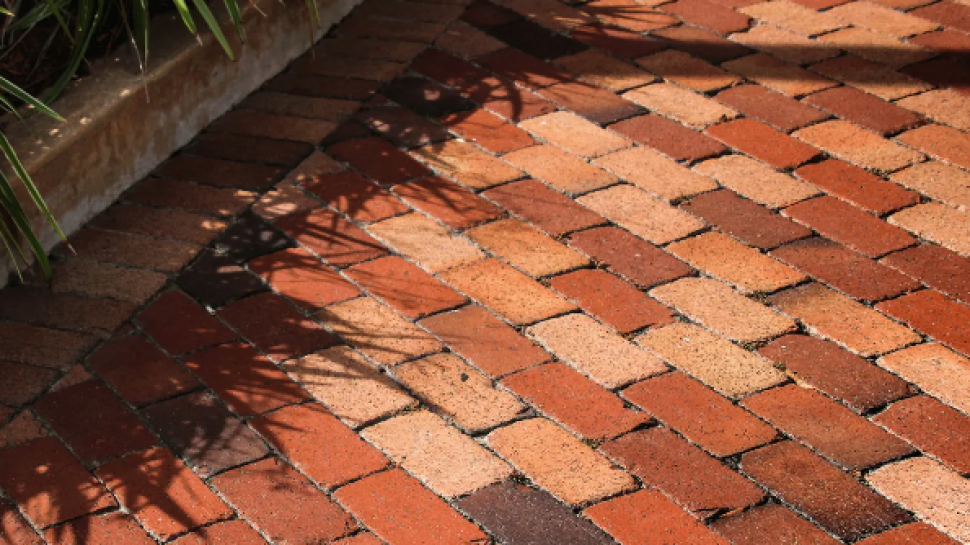
Function matters, but let's be real — people notice driveways. A big gray concrete pad can work, but it rarely adds character to a house. Brick, though, brings texture. Pattern. Color variation. Even simple layouts create visual interest without trying too hard. This is one of the big reasons brick pavers for driveway projects show up in home renovation plans. They make the entrance feel intentional, not just poured and forgotten. And yeah, it subtly boosts curb appeal. Realtors notice that kind of thing, even if they pretend not to.
Maintenance Isn’t Perfect, But It’s Manageable
No driveway surface is maintenance-free. Anyone promising that is selling something. Brick pavers will need occasional joint sand replacement, maybe a pressure wash every year or two. Sometimes weeds sneak in the joints if the base wasn't done right. It happens. But compare that to resurfacing asphalt every few years or dealing with large concrete cracks. Maintenance with pavers tends to be smaller tasks instead of big expensive repairs. That’s why many contractors quietly consider them the best material for a driveway long term.
Drainage Is A Hidden Advantage Most People Miss
Here’s something homeowners rarely think about until puddles start forming: drainage. Solid slabs force water to run off somewhere, often toward the street or worse… toward the garage. Brick paver systems allow tiny gaps between units, letting water filter through instead of collecting on the surface. It's not full permeable pavement unless designed that way, but it still helps. In rainy regions especially, brick pavers for driveway installations reduce standing water, slippery algae buildup, and erosion along the driveway edges.
Installation Quality Makes Or Breaks The Whole Thing
This is the part people underestimate. Pavers themselves are durable, but a rushed installation ruins everything. The base preparation matters more than the brick. Excavation depth, compacted gravel layers, proper edge restraints — skip those steps and the driveway will start shifting within a year. Done correctly, though, the surface stays level for decades. When contractors talk about the best material for a driveway, they usually add a quiet footnote: the material only works if the foundation underneath is done right.
Conclusion
Choosing a driveway surface isn’t really about finding something perfect. Nothing is. It’s about picking something that handles real-world conditions without becoming a constant repair project. Concrete cracks. Asphalt fades and softens in heat. Gravel spreads everywhere. Brick pavers for driveway designs land somewhere in the middle — durable, repairable, and honestly good-looking without trying too hard. For many homeowners searching for the best material for a driveway, that balance of strength, flexibility, and long-term practicality ends up being the deciding factor.
Share the News