

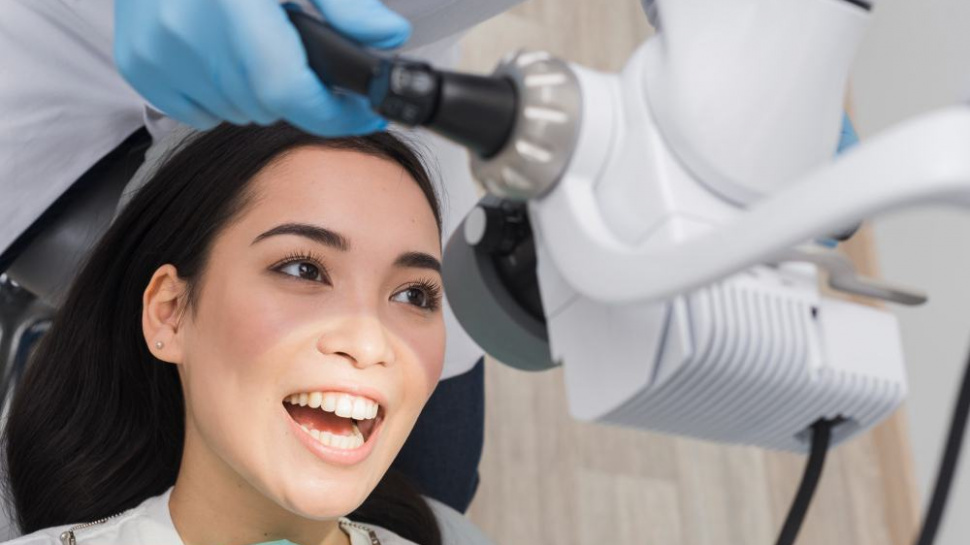

Beneath the glossy advertising and before-and-after photos lies a treatment that requires proper understanding. Teeth bleaching, when done correctly, can be safe and effective. When done carelessly, however, it can lead to sensitivity, gum irritation, and disappointing results. This comprehensive guide will walk you through everything you need to know about whitening your teeth.
Understanding Tooth Discoloration
Before diving into bleaching methods, it helps to understand why teeth lose their whiteness in the first place. Tooth discoloration falls into two main categories: extrinsic and intrinsic.
Extrinsic stains affect the outer layer of the tooth, the enamel. These come from everyday habits like drinking coffee, tea, red wine, or cola. Tobacco use is another major contributor. These surface stains typically respond well to bleaching treatments.
Intrinsic stains run deeper, affecting the dentin beneath the enamel. These can result from certain medications (like tetracycline antibiotics), excessive fluoride exposure during childhood, dental trauma, or simply aging. As we grow older, enamel naturally thins, revealing the yellower dentin underneath. Intrinsic stains are more challenging to treat and may require professional-strength bleaching or alternative cosmetic procedures.
How Teeth Bleaching Actually Works
Most teeth bleaching products rely on peroxide-based compounds—either hydrogen peroxide or carbamide peroxide. When applied to the teeth, these agents break down into reactive oxygen molecules that penetrate the enamel and dentin. These molecules attach to the large, colored molecules that cause staining, breaking them into smaller, less pigmented pieces. The result is a lighter, brighter appearance.
The concentration of peroxide determines both the speed of results and the potential for side effects. Over-the-counter products typically contain lower concentrations (3% to 10% hydrogen peroxide or 10% to 22% carbamide peroxide), while professional treatments may use 15% to 43% hydrogen peroxide.
Professional Bleaching vs. At-Home Kits
The market offers two primary pathways to whiter teeth: in-office professional treatments and at-home products.
In-office professional bleaching involves a dentist applying a high-concentration peroxide gel, often activated by a special light or laser. The entire process typically takes 60 to 90 minutes and can lighten teeth by several shades in a single visit. The obvious advantage is speed and professional oversight. The dentist protects your gums with a barrier, monitors for sensitivity, and can address any issues immediately. The main drawback is cost, ranging from $500 to $1,500 per session.
At-home products include whitening strips, trays with gel, pens, and paint-on formulas. Professional-grade take-home kits from your dentist use custom-fitted trays and stronger gel than drugstore options. Over-the-counter products are more affordable—typically $20 to $100—but take longer to show results, often requiring two to four weeks of daily use. Results are also generally less dramatic than professional treatments.
Whitening toothpaste deserves a separate mention. These products don't truly bleach teeth. Instead, they contain abrasive particles that physically scrub surface stains. They may remove minor discoloration but cannot change the natural color of your teeth.
Who Should Avoid Teeth Bleaching?
Bleaching isn't for everyone. You should reconsider or consult your dentist if you have:
Untreated cavities or gum disease – Peroxide can penetrate these areas and cause severe pain or damage
Extremely sensitive teeth – Bleaching may exacerbate existing sensitivity
Dental restorations – Crowns, veneers, bridges, and fillings will not whiten, potentially creating a mismatched appearance
Pregnancy or breastfeeding – While studies haven't shown harm, most dentists recommend waiting as a precaution
Allergies to peroxide – Rare but possible
Children under 16 should generally avoid bleaching because their tooth pulp is larger and more sensitive, and their enamel is still developing.
Managing and Preventing Sensitivity
Tooth sensitivity is the most common side effect of bleaching. The peroxide temporarily opens the pores of the enamel, allowing it to reach the dentin and irritate the nerve inside the tooth. This usually resolves within 24 to 48 hours after stopping treatment.
To minimize sensitivity, consider using a toothpaste designed for sensitive teeth for two weeks before bleaching. Limit treatment sessions to the recommended time—leaving strips or trays on longer does not improve results but does increase discomfort. Some people benefit from bleaching every other day instead of daily. If severe sensitivity develops, stop treatment and consult your dentist.
How Long Do Results Last?
Bleaching is not permanent. The longevity of your results depends entirely on your habits. People who avoid stain-causing foods and drinks, don't smoke, and practice good oral hygiene may enjoy their brighter smile for six months to a year. Heavy coffee drinkers might see noticeable fading within one to two months.
Touch-up treatments can extend your results. Many people do a full bleaching course once or twice per year, with shorter maintenance sessions in between.
Frequently Asked Questions
1. Is teeth bleaching safe for my enamel?
Yes, when used as directed. Decades of research have shown that peroxide-based bleaching does not permanently damage tooth enamel. However, overuse or misuse can temporarily increase porosity and sensitivity. Following package instructions and taking breaks between treatments protects your enamel. Professional supervision offers the greatest safety margin.
2. Why won't my crowns or fillings bleach?
Dental restorations are made from materials like porcelain, composite resin, or ceramic that do not absorb peroxide in the same way natural tooth structure does. The bleaching agent cannot penetrate these materials to break down stains. If you have visible restorations on your front teeth, bleaching will create a two-tone effect—your natural teeth will lighten while the restorations remain their original shade. In these cases, your dentist may recommend replacing the restorations after bleaching to match your new tooth color.
3. Can I bleach my teeth if I'm pregnant?
Most dentists recommend waiting until after pregnancy and breastfeeding to undergo teeth bleaching. While no definitive studies have proven harm to developing fetuses, the precautionary principle applies. The peroxide could potentially be swallowed in small amounts or absorbed through the oral tissues. Additionally, pregnancy often increases gum sensitivity and the gag reflex, making bleaching trays uncomfortable. For peace of mind, postpone cosmetic whitening until after your baby arrives.
4. How do whitening strips compare to professional treatment?
Whitening strips from the drugstore typically contain 6% to 10% hydrogen peroxide and cost $20 to $60. They can lighten teeth by one to two shades after two weeks of daily use. Professional in-office treatments use 25% to 43% hydrogen peroxide and achieve three to eight shades of lightening in a single hour-long appointment. Strips also struggle to whiten between teeth and may not conform evenly to your dental arch. Custom-fitted trays from your dentist bridge this gap, offering professional-strength gel with better coverage at a moderate price point.
5. What can I do about pain during bleaching?
Mild to moderate sensitivity is common, but sharp pain means you should stop immediately. To manage normal discomfort, use a toothpaste containing potassium nitrate (sold for sensitive teeth) for two weeks before starting. During treatment, shorten application times—30 minutes instead of an hour, for example. Take over-the-counter anti-inflammatory medication like ibuprofen an hour before bleaching if you know you're prone to sensitivity. Some people find relief by applying a fluoride gel or using a fluoride mouth rinse after each bleaching session. If pain persists beyond 48 hours after stopping treatment, see your dentist to rule out underlying problems like cracks or cavities.
Want to learn about dentist for kids? read: Finding a Good Dentist for Kids in Bukit Jalil and Puchong, Malaysia: A Parent’s Guide



Share the News