

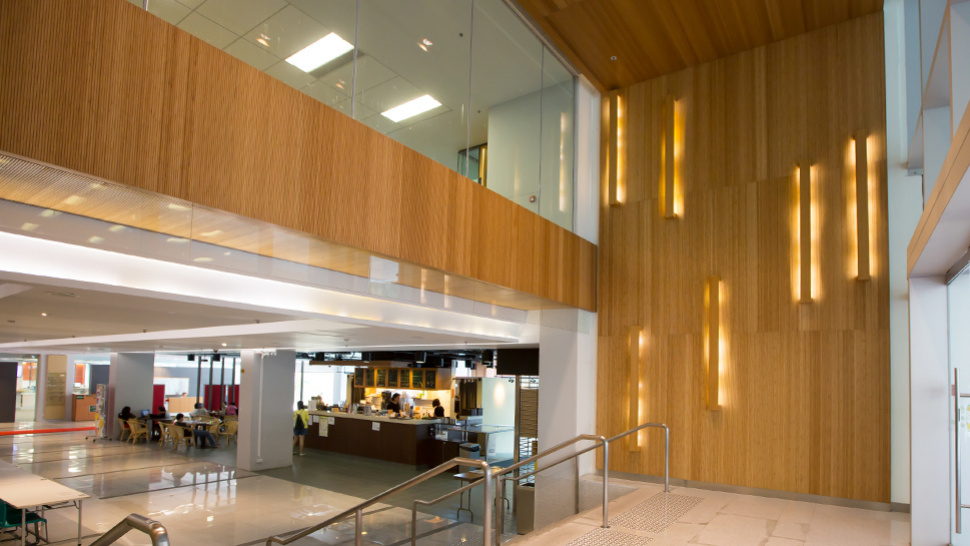

Selecting the right materials for a large-scale architectural or residential project requires a meticulous procurement strategy. While digital catalogs, technical data sheets, and high-resolution installation photographs offer a solid starting point, they cannot replace the physical reality of a material sample. This is particularly true for organic composites like bamboo. Sourced from mature MOSO bamboo, these products provide exceptional density, tensile strength, and beautiful linear grain patterns, but they also exhibit natural variations that must be evaluated in person.
Requesting and evaluating samples of structural panels and bamboo flooring is a critical quality-assurance step. It bridges the gap between design concepts and construction realities. To ensure your project utilizes materials that meet exact aesthetic and structural standards, a systematic framework for sourcing, testing, and verifying manufacturer samples is essential.
Establishing Clear Communication During the Request Phase
The sampling process begins long before a package arrives at your office. A common mistake is simply clicking a generic request button on a website, which often results in receiving standard, pre-cut blocks that may not reflect the specific requirements of your project. Instead, establish direct contact with the manufacturer's technical sales team to articulate the precise scope of your application.
When submitting a sample request, detail the specific structural and aesthetic configurations needed. Specify whether your project requires horizontally laminated panels, which showcase the broad characteristics and growth nodes of the bamboo culm, or vertically laminated structures, which offer a tight, uniform linear appearance. If the material will be placed in a high-traffic retail environment or a public corridor, explicitly request high-density strand-woven samples rather than standard solid laminations.
Furthermore, request full-width or longer sample sections when available. Standard four-inch sample chips are often insufficient for evaluating the true color range and grain progression of a complete panel or flooring plank. Asking for a sample sequence—such as three consecutive pieces from the same production run—allows you to observe the natural tonal shifts that occur within the material.
The Critical Steps of Visual Evaluation
Once the samples arrive, the initial evaluation phase focuses on visual characteristics under controlled conditions. Organic materials should never be judged solely under harsh office fluorescent lighting or through protective plastic packaging.
Evaluate Tone and Color Uniformity
Take the samples into an environment that mimics the permanent lighting design of the project space. Observe how natural blonde or deep carbonized caramel tones react to warm ambient light and direct daylight. In natural bamboo, check for any unwanted grayish or greenish undertones that might indicate incomplete drying or curing during manufacturing. In carbonized samples, ensure the rich brown color penetrates entirely through the thickness of the board, which confirms that the material underwent proper thermal caramelization rather than receiving a superficial surface stain.
Inspect Grain Consistency and Node Distribution
For horizontal cuts, analyze the spacing and appearance of the growth nodes. For vertical configurations, inspect the tightness of the linear joints. The lines should be crisp, straight, and free from micro-gaps or alignment shifts. In strand-woven samples, look for a balanced, organic mottling effect rather than patchy, resin-heavy dark spots that can disrupt the visual flow of a large installation.
Assess Surface Finishing Quality
If you are requesting pre-finished samples, examine the topcoat with a critical eye. Tilt the sample against a light source to check for imperfections such as orange-peel texture, trapped dust particles, pinholes, or uneven gloss levels. The factory coating should be smooth, consistent, and uniform across the entire face and along the tongue-and-groove or click-lock profiling edges.
Executing Rigorous Physical and Mechanical Testing
A sample that looks beautiful on a desk must still prove its structural worthiness. Conducting simple, non-destructive physical tests on manufacturer samples provides valuable insight into the long-term performance and processing habits of the material.
Dimensional Tolerance and Milling Precision
Use a digital caliper to check the thickness, width, and squareness of the sample pieces. High-quality manufacturing relies on advanced, computerized molding and milling machinery to maintain incredibly tight tolerances, often within fractions of a millimeter. If you have received multiple flooring samples, click or slide them together to verify the precision of the interlocking joints. The seam should be tight, flush, and completely free from vertical lipage or horizontal gaps, ensuring an efficient and trouble-free installation on the construction site.
Delamination and Moisture Resistance Testing
Bamboo panels and floors are composite materials held together by specialized adhesives under high heat and pressure. To test the integrity of these internal bonds, subject a small cross-section of the sample to a basic moisture test. Submerge the sample piece in water for twenty-four hours, then allow it to dry completely in a warm room. Inspect the edges closely for any signs of fiber separation, swelling, or delamination. Premium manufacturing utilizes cross-linking polyurethanes or high-grade phenolic resins that resist moisture cycles without losing structural cohesion.
Scratch and Impact Resilience
Simulate real-world wear by testing the hardness of the surface finish and the underlying core material. Use objects of varying hardness, such as a coin, a key, or a sample high-heel shoe fixture, to apply localized pressure across the face of the bamboo. This helps determine whether the pre-finished topcoat contains the necessary aluminum oxide or UV-cured scratch-resistant additives required to handle daily foot traffic, moving furniture, and accidental drops without fracturing or gouging deep into the plant fibers.
Verifying Technical Documentation and Certifications
A physical sample is only half of the validation process. Every physical piece must be accompanied by comprehensive technical documentation that verifies its performance behind the scenes. When evaluating a manufacturer, request full compliance certificates from accredited independent testing laboratories.
Indoor Air Quality and Emissions
Request verified documentation regarding Volatile Organic Compound emissions, with a specific focus on free formaldehyde levels. Ensure the panels and flooring meet strict international standards, such as the European E0 or E1 ratings, California Air Resources Board Phase 2 compliance, or US EPA TSCA Title VI certification. This step ensures that the adhesives used in production will not compromise indoor air quality or cause respiratory irritation for sensitive occupants.
Hardness and Fire Ratings
Verify the material's structural density through standardized Janka hardness ratings. Strand-woven bamboo should register significantly higher than standard oak or maple, providing clear evidence of its commercial durability. For public and commercial installations, also request ASTM E84 flame spread index reports to ensure the material satisfies local regional building codes for fire safety and emergency egress zones.
Transitioning from Sample to Full Procurement
The final phase of sample evaluation is assessing the manufacturer's logistical capability. A perfect sample is meaningless if the production facility cannot replicate that quality across thousands of square meters or meet your project's critical timeline.
Inquire about factory capacity, standard production lead times, and shipping protocols. Ensure that the facility has a robust internal quality control tracking system, so the final bulk order delivered to the job site matches the exact technical and aesthetic profiles established by the approved sample pieces. By treating the selection process with discipline, analyzing physical traits, and backing up visual observations with verified lab certifications, architects, builders, and property owners can proceed with complete confidence, unlocking the immense structural beauty and sustainable performance of premium bamboo architecture.
Introduction to Bothbest
Bothbest is a premier professional manufacturer and exporter of premium MOSO bamboo products based in China. With decades of manufacturing expertise, the company specializes in supplying a comprehensive range of bamboo materials, including solid panels, plywood, veneer, and high-density strand-woven products tailored for international architectural, commercial, and residential projects.



Share the News