

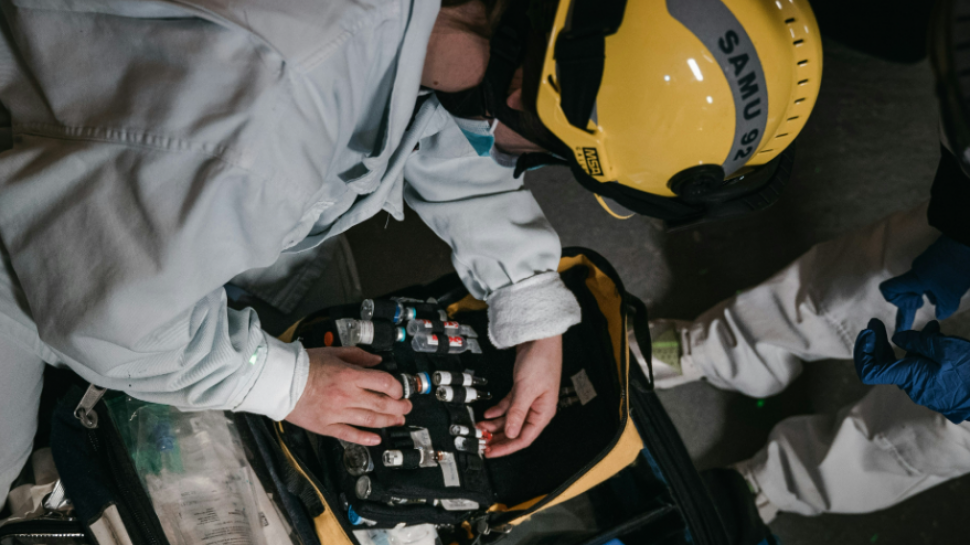

The day of your practical assessment has arrived, and your stomach is doing little flips. This is completely normal. Almost every person who walks into an Irish First Aid course feels that same nervous flutter, including the instructors themselves when they were students. Here is the truth that nobody tells you in the course brochure: the practical assessment is not designed to fail you. It is designed to confirm that you can actually do what you have been practicing. Irish First Aid structures their assessments to feel like realistic scenarios, not like a cold, judgmental exam. You will not be interrogated or put on the spot with trick questions. Instead, you will work through an emergency situation while an instructor watches quietly from a few feet away. And if you have paid attention during the practice sessions, you already have everything you need to pass.
What the Practical Assessment Actually Looks Like
Let me pull back the curtain so you know exactly what to expect. The practical assessment typically involves one or two simulated emergency scenarios that you respond to as the first aider. You might walk into a room to find a manikin lying on the floor, with a note card describing what happened. Maybe the scenario is a co-worker who collapsed during a meeting. Maybe it is someone who fell off a ladder and is bleeding from the arm. Your job is to run through your DRSABCD action plan: check for Danger, look for a Response, Send for help, open the Airway, check for Breathing, start CPR or treat other injuries, and attach a Defibrillator if needed. The instructor will watch your sequence, your technique, and your communication. They will not interrupt unless you make a dangerous mistake. The whole thing takes about ten to fifteen minutes. Then it is over, and you will wonder why you were so worried.
Common Mistakes That Students Make (And How to Avoid Them)
Knowing what trips people up can save you from the same fate. The most common mistake is forgetting to check for danger before rushing to help. In every scenario, there is usually an obvious hazard like a trailing cable or a puddle of water. Students get so focused on the casualty that they walk straight into danger. The fix is simple. Before you do anything else, stop and look around. Say out loud, “I am checking for danger.” The second most common mistake is incorrect hand placement for chest compressions. People tend to place their hands too low, near the stomach, or too high, near the neck. Practice at home on a pillow. Find the centre of the chest, right between the nipples, and lock your hands there. The third mistake is forgetting to tilt the head back when opening the airway. Without that tilt, the tongue blocks the throat and your rescue breaths go nowhere. Practice the head-tilt chin-lift motion until it feels automatic.
How Irish First Aid Instructors Support You During the Test
Here is something that might genuinely calm your nerves. Irish First Aid instructors are not silent judges with clipboards. They are teachers first and assessors second. During the practical assessment, they stand nearby but they will prompt you if you freeze. They might say, “Have you checked for danger?” or “What comes next?” This is not a sign that you are failing. It is a sign that they want to guide you back on track. The official assessment criteria allow for prompts because real first aid is not about memorising a script. It is about thinking on your feet, and sometimes everyone needs a little reminder. The only way to actually fail the practical assessment is to refuse to act, to cause deliberate harm, or to completely ignore the casualty. If you are trying, communicating, and following the basic steps, you will pass. The pass rate at Irish First Aid is extremely high for a simple reason: they only assess you when you are ready.
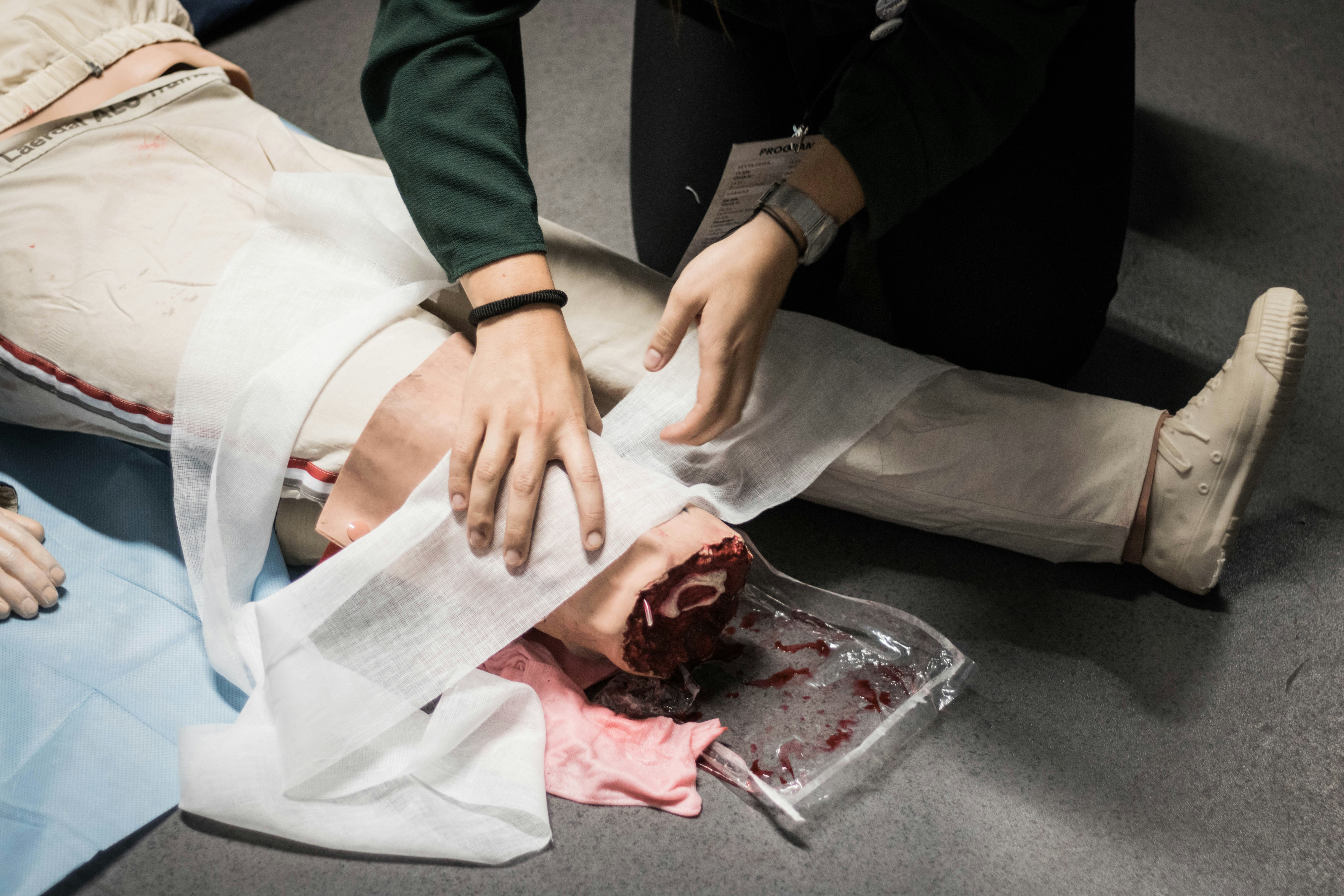
Practicing the Key Skills at Home Before Your Course
You do not need expensive equipment to prepare. Find a cushion or a rolled-up jumper and place it on the floor. Kneel beside it and practice your compression rhythm. Push down about five centimetres, which is roughly the depth of a credit card standing on its side. Sing “Stayin’ Alive” by the Bee Gees in your head. That song has exactly 103 beats per minute, almost perfect for CPR. Practice the recovery position on a willing family member or even a large teddy bear. Roll them onto their side, tilt the head back, bend the top knee, and check that nothing is blocking the airway. Practice your emergency call script. Say out loud, “You there in the blue shirt, call 999 and tell them someone is unconscious and not breathing. Come back and tell me when you have done it.” Speaking these words out loud removes the hesitation you might feel in the real moment.
What to Bring and How to Prepare on the Day
Small practical details can make a big difference to your performance. Wear loose, comfortable clothing that you can kneel and move in. Trousers are better than skirts or dresses. Flat shoes with good grip are essential; high heels or slippery soles will make you unstable during compressions. Tie back long hair so it is not falling into your face while you are leaning over a manikin. Remove bulky jewellery that might dig into your hands. Eat a light meal beforehand, nothing too heavy, and drink water. Dehydration makes your thinking foggy and your muscles tire faster. Arrive at least fifteen minutes early so you are not rushing and sweating when you walk in. And here is a psychological trick that actually works: tell yourself you are excited, not nervous. The physical symptoms of excitement and anxiety are almost identical. Your brain believes what you tell it.
The Mindset That Leads to Success
After watching hundreds of students go through practical assessments, I can tell you the single biggest factor that separates the nervous fumbler from the calm responder. It is not natural talent. It is not previous experience. It is the decision to trust your training. When the scenario starts, your brain will try to panic. That is just biology. But your hands have practiced. Your eyes have watched the demonstrations. Your ears have heard the instructor correct your mistakes in practice. So take a slow breath, look at the casualty, and start with the first step. Danger. That is all you have to do. One step at a time. Do not think about the whole assessment. Do not think about passing or failing. Just think about the next correct action. And when you finish, whether you nailed every detail or fumbled a little, know that you showed up and you tried. That already puts you ahead of everyone who never walked through the door. Now go in there and show them what you have learned.
Share the News