

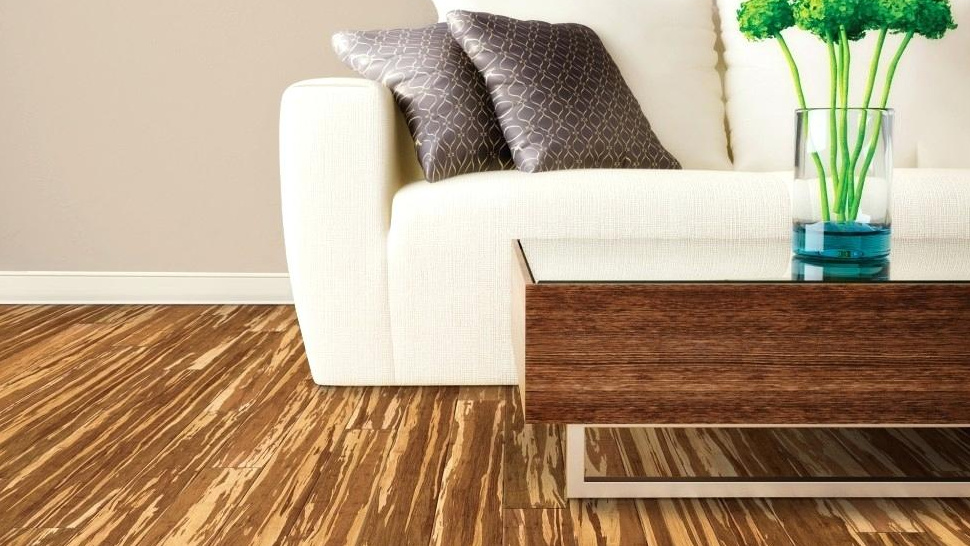

Tackling a home renovation project brings a distinct sense of pride, especially when it comes to upgrading the surfaces you walk on every day. Choosing a sustainable, hard-wearing material ensures that your hard work will pay off in long-term beauty and durability. Among the top choices for modern residential updates is bamboo flooring, celebrated for its incredible structural strength, eco-friendly footprint, and warm, contemporary aesthetic.
Once you narrow down your material choice, you face a critical technical decision that will directly shape your weekend installation experience: selecting the profiling system. Bamboo planks generally come in two primary connection styles: modern click-lock systems and traditional tongue-and-groove profiles. While both systems yield a beautiful, cohesive surface once fully installed, they require entirely different tools, subfloor preparation strategies, physical stamina, and skill levels. Matching the mechanical system to your current DIY capabilities is the secret to avoiding frustration, saving money, and ensuring a flawless finish.
Anatomy of the Interlocking Systems
To understand which option fits your skillset, you must first understand how these two profiling methods differ at a structural level.
The click-lock system is a relatively modern innovation in flooring technology. The edges of the planks are engineered with precise, interlocking hooked profiles. When you join two planks together, you typically insert the tongue of one plank into the groove of the next at a slight angle and then press downward. As the plank rotates flat against the subfloor, the profiles lock together with an audible snap or a snug, tactile seat. This mechanical connection prevents the boards from separating horizontally or vertically without needing any external fasteners or liquids.
The tongue-and-groove system, often abbreviated as T&G, is the traditional standard that has governed wood installations for generations. One long side and one short end of the plank feature a protruding ridge, while the opposite sides feature a matching recessed channel. Unlike the click-lock system, tongue-and-groove profiles do not mechanically lock together on their own. They slip together smoothly but require an external force—either mechanical fasteners like nails and staples, or a specialized wood glue—to permanently secure the planks in place and prevent them from drifting apart over time.
The Click-Lock System: The DIY Best Friend
For homeowners operating with a basic set of household tools and moderate carpentry experience, the click-lock system offers an incredibly approachable entry point into flooring installation.
Minimal Tool Requirements
One of the biggest advantages of a click-lock system is the minimal investment required for specialized machinery. Because the planks lock together mechanically, you do not need to rent a heavy-duty pneumatic flooring nailer or buy gallons of specialized flooring adhesive. Your primary toolkit will consist of a tape measure, a pencil, a fine-tooth saw for cross-cutting planks at the ends of rows, a standard hammer or rubber mallet, a specialized tapping block designed for click profiles, and expansion spacers. This small tool list lowers the financial barrier to entry and makes cleanup at the end of the day remarkably fast.
The Floating Floor Advantage
Click-lock systems are almost exclusively installed as floating floors. This means the individual planks are locked to one another, but the entire unified surface simply rests on top of a dense underlayment pad without being attached to the subfloor beneath it. This setup provides excellent flexibility when working over less-than-perfect subfloors. It can go over concrete slabs, existing old vinyl sheets, or plywood subfloors with minimal fuss. Furthermore, if you make a mistake during installation—such as misaligning a row or forgetting to stagger an end joint—you can simply lift the planks, unclick them without damage, correct the error, and snap them back together. This forgiving nature makes it the ideal match for beginners.
Physical Demands and Pace
Installing a click system is relatively gentle on the body compared to traditional methods. You spend your time measuring, snapping boards together, and gently tapping them into alignment. The process moves quickly, allowing a single person or a pair of DIYers to complete a standard-sized living room or bedroom over a single weekend without feeling physically exhausted.
The Tongue-and-Groove System: The Craftsman Path
While click systems win on sheer convenience, traditional tongue-and-groove bamboo remains highly favored by experienced DIYers, woodworkers, and professional contractors who prioritize structural permanence and specific installation configurations.
Advanced Installation Versatility
The primary reason to choose a tongue-and-groove profile is the versatility it offers in how the floor attaches to your home. T&G planks can be installed using three distinct methods: nail-down, staple-down, or full glue-down. If you want a floor that feels absolutely solid underfoot, with zero vertical movement or hollow acoustic feedback when walked on, gluing or nailing T&G planks directly to the subfloor delivers that premium, permanent feel. Additionally, T&G is the mandatory choice if you are planning to install a solid or strand-woven bamboo pattern in a herringbone or chevron layout, which requires complex edge-joining that click systems cannot accommodate.
The Learning Curve and Tool Intensity
Tackling a T&G installation demands a significantly higher level of skill and a willingness to operate heavy, loud equipment. If you choose the nail-down method over a plywood subfloor, you will need to rent a pneumatic flooring nailer and an air compressor. You must learn the exact technique of blind-nailing through the tongue of the board at a perfect 45-degree angle without damaging the visible edge of the plank.
If you choose the glue-down method, particularly over a concrete slab, you face a messy, time-sensitive challenge. You must apply a specialized moisture-curing polyurethane adhesive using a trowel, working in small sections so the glue does not dry out before you place the planks. Managing glue squeeze-through between the joints requires immediate cleanup with specialized cleaners to prevent ruining the factory finish.
Forgiveness and Error Correction
Unlike click floors, a fixed T&G installation is completely unforgiving of mistakes. Once a board is nailed down or pressed into a bed of heavy adhesive, it cannot be easily removed. If you realize three rows later that your starting row was crooked or that you forgot to maintain a proper expansion gap against the wall, fixing the issue requires ripping up the boards with a crowbar, which inevitably destroys the planks and wastes expensive material. This system requires meticulous planning, constant checking with a chalk line, and patience.
Subfloor Preparation: A Critical Step for Both Systems
Regardless of which connection system you choose, the long-term success of your installation depends entirely on the preparation of the subfloor beneath it. However, the two systems react differently to subfloor imperfections.
Because a click-lock floor floats, any dips or high ridges in your subfloor will cause the interlocking joints to flex vertically whenever someone walks across the room. Over time, this repetitive flexing puts immense structural stress on the thin, machined click ridges, eventually causing them to crack, separate, or develop permanent squeaks. If you choose a click system, you must spend extra time using self-leveling concrete compounds or sanding down high spots on plywood to ensure the surface is flat to within 3/16 of an inch over a 10-foot radius.
A glue-down or nail-down tongue-and-groove system is slightly more forgiving of microscopic subfloor height variations because the mechanical fasteners or thick adhesive layer pins the wood firmly in place, minimizing vertical deflection. However, if you are gluing down T&G planks, the subfloor must be absolutely clean, free of dust, old paint, or drywall mud, and thoroughly tested for moisture emissions. Excess moisture wicking up through a concrete slab will destroy the adhesive bond, causing the planks to release and warp.
Staggering and Expansion Gaps: Universal DIY Rules
Whether you choose click or T&G, two fundamental rules of wood science apply to your project. First, you must always leave an adequate expansion gap around the entire perimeter of the room. Bamboo is a natural material that expands and contracts with changes in seasonal humidity. Leave a minimum of 1/2 inch of free space against all walls, doorframes, and pipes. This gap will be hidden by your baseboards and quarter-round moldings later.
Second, you must stagger your end joints correctly. Never allow the short ends of planks in adjacent rows to line up with one another. Maintain an offset of at least 8 to 12 inches between end joints from row to row. This staggering creates an interlocking matrix that distributes structural weight evenly across the room and creates a natural, balanced visual layout.
Summary: Matching System to Skill
To make your final decision, take an honest inventory of your tool collection, your physical stamina, and your past woodworking projects.
If your DIY experience is limited to assembling flat-pack furniture, hanging shelves, or painting, and you want a stress-free weekend project with minimal cleanup, stick with a click-lock system. It delivers a gorgeous floor with a very low risk of installation failure.
If you have successfully tackled complex carpentry projects, feel comfortable renting and operating pneumatic compressors, or want a completely permanent, rock-solid floor directly glued to concrete or arranged in an intricate architectural pattern, invest the extra time and effort into a traditional tongue-and-groove system. By aligning the mechanical realities of the material with your personal skill comfort zone, you ensure a smooth installation process and a beautiful home update.
Bothbest is a professional, FSC certified bamboo flooring factory based in China, manufacturing and exporting high-quality bamboo surfaces since 2001. Specializing in durable strand-woven, solid, and click-lock variations, Bothbest utilizes advanced technology and sustainable Moso bamboo to deliver eco-friendly, premium flooring solutions to distributors, contractors, and homeowners worldwide.



Share the News