

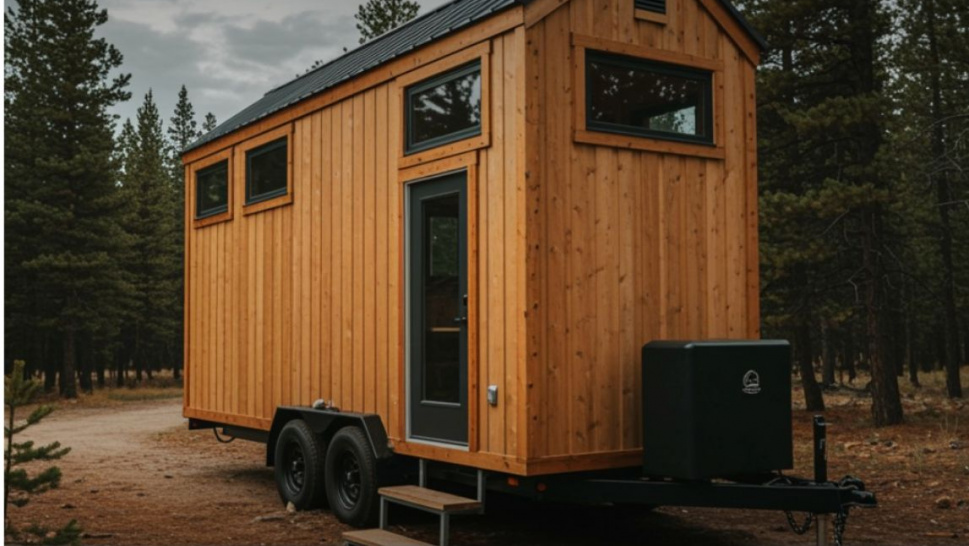

People ask me this constantly, who are the actual good tiny house builders, not just the ones with the flashiest Instagram page. Fair question honestly. There's a lot of noise out there. Some builders have gorgeous photos and terrible follow through, and some look plain but build like tanks. Doesn't always match up the way you'd think, and that's the part nobody warns you about going in.
What Separates Real Tiny House Builders From the Rest
A lot of companies slapped "tiny home" on their website the second the trend blew up, and some of them came from RV backgrounds, some from regular construction, some from literally nowhere. That background matters more than people give it credit for. Builders coming from a proper construction background usually understand load-bearing walls, moisture barriers, insulation ratings, all that unglamorous stuff that keeps your house from falling apart in year three. RV-background builders tend to know weight distribution and trailer mechanics better, since that's their bread and butter. Neither is automatically better, but you should know which one you're dealing with before you sign anything.
Custom Builds Versus Tiny House Kits in Colorado
This is where things get interesting. A custom build means the builder starts from your specs, your layout, your finishes, basically your vision start to finish. Tiny house kits in Colorado, on the other hand, come as a pre-designed package, sometimes with the shell already built, sometimes as more of a DIY assembly situation with pre-cut materials and instructions. Kits are cheaper generally, and they cut down build time by a lot, but you lose some flexibility. If you want a specific loft configuration or an odd-shaped kitchen, a kit might not bend that way. Custom is more work, more time, more back and forth with the builder, but you get exactly what you pictured, more or less.
Questions to Ask Before Hiring Tiny Home Builders
Don't just ask for photos. Photos lie, or at least they don't tell the whole story. Ask how they handle insulation for Colorado winters specifically, because a tiny home built for say Florida heat is a completely different animal than one meant to survive a mountain winter at altitude. Ask about their framing method too, stick built versus SIP panels versus steel frame, they all perform differently under weight and weather. And ask straight up how many units they've actually completed, not just started. There's a difference. I've talked to buyers who got strung along for eight months because the builder was juggling too many projects at once.
Materials That Actually Hold Up in Colorado Weather
This state is brutal on structures if you're not prepared for it. Big temperature swings, dry air, sometimes heavy snow load depending on elevation. Good tiny home builders account for that with proper spray foam or rigid foam insulation, moisture-resistant sheathing, and roofing rated for snow load in your specific area. Cheaper builds sometimes skip the underlayment or use standard fiberglass insulation that just doesn't cut it once you're above 7000 feet. I'm not saying every budget build is bad, some are fine, but ask specifically what insulation rating they're using and don't just accept "it's good insulation" as an answer.
The Real Timeline for Building a Tiny Home
People expect this to move fast because, well, it's small, right? Not exactly how it works. A custom build from reputable tiny house builders usually takes anywhere from three to six months depending on how backed up they are and how complicated your design is. Kits move quicker, sometimes four to eight weeks if you're doing a lot of the assembly yourself, longer if the builder's finishing it for you. Weather plays a role too. Winter can slow down certain outdoor work, especially exterior painting or roofing, so don't expect a January start date to hit a March finish.
Red Flags to Watch for When Comparing Builders
Some warning signs come up again and again. A builder who won't show you previous completed units in person, that's a flag. One who wants full payment upfront before any work starts, also a flag, most legit builders work on a deposit plus milestone payment structure. Vague answers about warranty coverage should make you pause too. A solid tiny home builder stands behind their structural work for at least a year, sometimes longer, and they'll tell you that without you having to dig for it. If you're getting cagey responses to direct questions, that tells you something.
Making Your Final Choice Among Tiny Home Builders
At some point you've just got to pick one, and honestly there's no perfect builder that checks every single box. Weigh what matters most to you, customization, price, speed, and go from there. Visit a completed unit in person if you can, sit inside it, see how the space actually feels instead of just judging it from a floor plan on a screen. Talk to a past client if the builder will connect you with one. That conversation alone tells you more than any glossy brochure ever could.
Share the News