


Protein has become one of the most important nutrients in modern diets, but not all protein ingredients offer the same nutritional and functional benefits. Among the growing range of protein ingredients, protein hydrolysates have gained significant attention because of their improved digestibility, rapid absorption, and versatility across multiple industries. They are widely used in sports nutrition, infant nutrition, clinical nutrition, functional foods, and dietary supplements, making them an increasingly valuable ingredient for manufacturers focused on health-oriented products.
According to a recent protein hydrolysates market report by MarkNtel Advisors, demand continues to rise as food manufacturers develop products that offer improved nutritional performance and enhanced functionality. The study highlights the increasing adoption of protein hydrolysates across applications such as foods and beverages, infant nutrition, clinical nutrition, weight management, sports nutrition, dietary supplements, and animal feed. Protein hydrolysates are valued for their ability to improve solubility, emulsification, and nutrient absorption while supporting evolving consumer preferences.
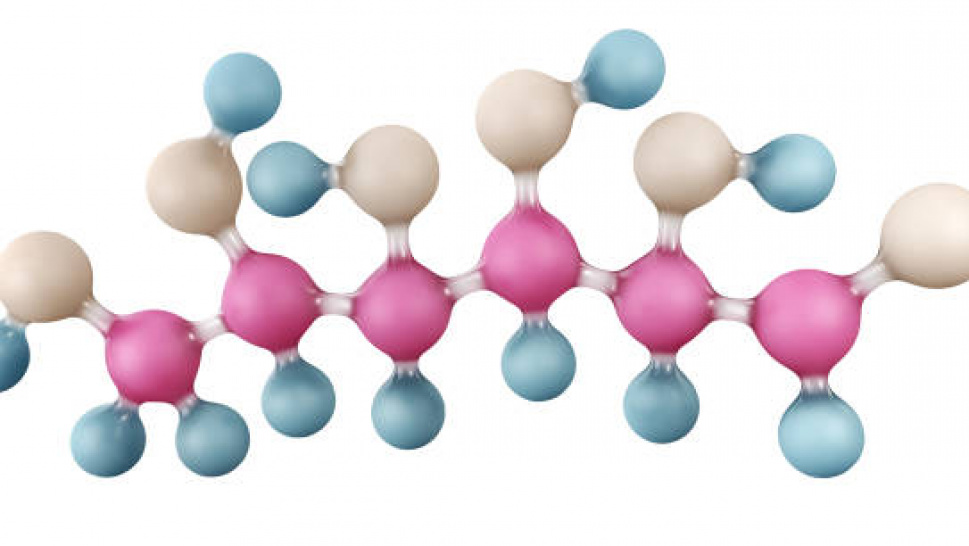
Protein hydrolysates are produced by breaking proteins into smaller peptides and amino acids through enzymatic or chemical hydrolysis. This process makes proteins easier for the body to digest and absorb compared with intact proteins. Their nutritional profile and functional characteristics have made them suitable for a wide variety of specialized food formulations. The U.S. Food and Drug Administration provides guidance on food ingredients and labeling requirements, while the Food and Agriculture Organization recognizes protein quality as an important aspect of global nutrition. These regulatory and scientific perspectives continue to support innovation in protein ingredients.
Growing Demand for Easily Digestible Nutrition
Consumers are increasingly seeking foods that provide nutritional benefits without compromising convenience. Protein hydrolysates help address this demand because they are rapidly absorbed and can support formulations intended for active lifestyles, recovery nutrition, and specialized dietary needs.
Healthcare professionals also recognize the importance of easily digestible proteins for individuals recovering from illness, older adults, and patients with specific nutritional requirements. This broad range of applications has expanded the relevance of protein hydrolysates beyond traditional sports supplements.
Applications Across Multiple Industries
One of the major strengths of protein hydrolysates is their versatility. Manufacturers use them across several industries because they contribute both nutritional and functional advantages.
Some of the major application areas include:
Sports nutrition products
Functional foods and beverages
Infant nutrition formulations
Clinical nutrition products
Dietary supplements
Weight management products
Animal nutrition and feed
As highlighted in this protein hydrolysates market analysis, manufacturers are continuously exploring new formulations that combine improved nutrition with better product performance.
Different Sources of Protein Hydrolysates
Protein hydrolysates can be derived from several protein sources, allowing manufacturers to develop products that meet different dietary preferences and formulation requirements.
Common sources include:
Milk proteins
Plant proteins
Marine proteins
Meat proteins
Egg proteins
Yeast proteins
Plant based hydrolysates have attracted growing interest as consumers increasingly seek alternative protein sources. At the same time, dairy derived hydrolysates continue to maintain strong demand because of their established nutritional profile and widespread use in specialized nutrition products.
Functional Benefits Beyond Nutrition
Protein hydrolysates are valued not only for their nutritional qualities but also for the technological benefits they provide during food manufacturing.
These ingredients can improve:
Solubility
Emulsification
Foaming properties
Water binding
Product texture
Flavor development
These functional characteristics make them attractive ingredients for manufacturers producing beverages, protein bars, nutritional powders, dairy products, and specialized medical foods.
Innovation Driving Product Development
Food manufacturers continue investing in advanced processing technologies to improve protein quality, reduce bitterness, and enhance functionality. Enzymatic hydrolysis has become particularly important because it enables greater control over peptide formation while preserving nutritional value.
Research institutions and food companies are also exploring sustainable protein sources and improved manufacturing methods that can deliver high quality hydrolysates while reducing environmental impact. Scientific research continues to evaluate innovative protein production systems that support long term food security and sustainable nutrition.
Consumer Preferences Continue to Evolve
Modern consumers increasingly evaluate food products based on nutritional quality, ingredient transparency, and functionality. High protein products have become popular among athletes, older adults, health conscious consumers, and individuals managing specialized diets.
As a result, manufacturers are introducing new products containing protein hydrolysates in ready to drink beverages, nutritional powders, meal replacements, functional snacks, and clinical nutrition solutions. Product innovation is expected to remain an important focus as companies respond to changing dietary habits and scientific advancements.
According to this report on protein hydrolysates, continued improvements in processing technologies and expanding application areas are supporting broader adoption across the food and nutrition industries.
Conclusion
Protein hydrolysates have become an important ingredient in modern nutrition because they combine enhanced digestibility with valuable functional properties. Their ability to support specialized nutrition, improve food formulation, and meet evolving consumer expectations has expanded their role across food, beverage, healthcare, and animal nutrition sectors.
As scientific understanding of protein functionality continues to advance, manufacturers are expected to explore additional applications for hydrolyzed proteins while improving product quality and sustainability. With demand for high quality nutritional ingredients continuing to grow, protein hydrolysates are likely to remain a significant component of future food innovation.
Share the News