

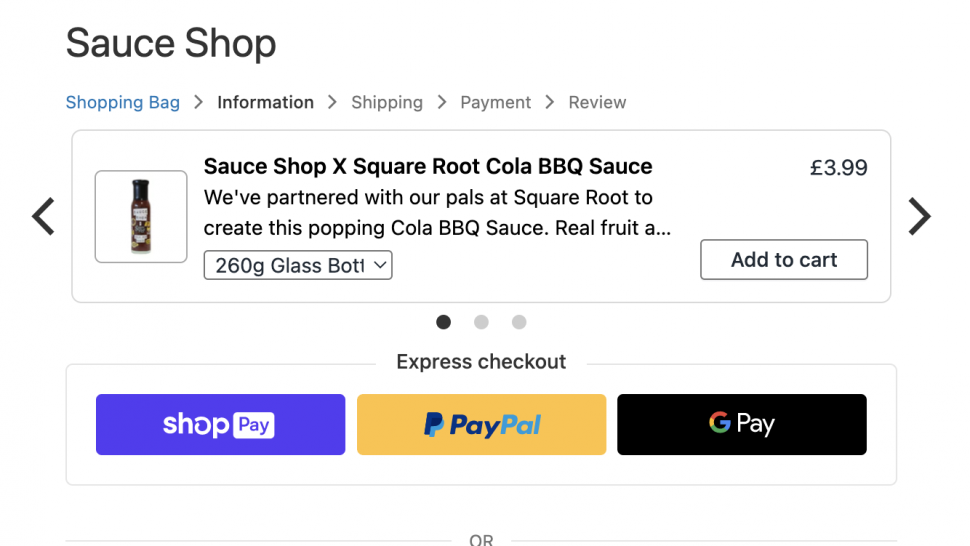

Increasing average order value at checkout is one of the most effective ways for ecommerce businesses to grow revenue without relying only on new traffic. Instead of pushing shoppers to buy more through broad marketing campaigns, checkout optimization focuses on the moment when intent is already high. At that stage, small improvements such as relevant add-ons, clearer product suggestions, and smoother decisions can have a meaningful impact on revenue per transaction.
The best checkout strategies do not feel pushy. They help customers complete their purchase with confidence while showing them options that genuinely fit their needs. For example, a customer buying a laptop may also consider a sleeve, mouse, or extended warranty. A shopper checking out with skincare products might appreciate a travel-size cleanser or moisturizer. When these suggestions are timely and relevant, they can increase order value while still supporting a positive shopping experience. Many merchants also use tools like shopify checkout upsell to present these offers in a way that feels natural and easy to act on.
To improve results, businesses need to understand customer behavior, test offer placement, and keep the checkout process fast. The goal is not to overwhelm buyers with choices. The goal is to make the buying decision easier and more complete. Below are practical ways to increase average order value at checkout in a way that benefits both the customer and the business.
Key points
- Average order value increases when offers are relevant, timely, and easy to accept.
- Checkout is a high-intent stage, making it ideal for upsells and add-ons.
- Relevance matters more than volume, so offers should match the customer’s purchase.
- Clear pricing, simple wording, and minimal friction improve acceptance rates.
- Testing different offer types, placements, and bundles helps identify what works best.
Why checkout is the best place to raise order value
Checkout is a powerful moment because the customer has already decided to buy. At this point, the hardest part of the sale is done. The shopper is not browsing casually. They are evaluating whether the purchase is worth completing right now. That makes checkout a strong place to introduce small, complementary offers that increase the total order value without requiring a new buying decision from scratch.
Unlike homepage banners or category page promotions, checkout offers reach customers when purchase intent is strongest. This is why conversion-friendly add-ons often perform better here than earlier in the funnel. If the offer is tied closely to the original product, it can feel helpful rather than distracting.
What makes checkout offers effective
Effective checkout offers usually share three traits: they are relevant, easy to understand, and quick to accept. A customer should be able to see the value immediately. If the offer takes too much thought, adds extra steps, or feels unrelated, the likelihood of acceptance drops quickly.
For example, a cosmetics brand might offer a makeup remover wipe with a foundation purchase. A pet supply store might suggest a refill pack when a customer buys a food item. These offers work because they fit naturally into the purchase journey.
Use complementary products instead of random upsells
The most common mistake businesses make is offering products that are too broad or unrelated. A checkout upsell should support the main purchase, not compete with it. The closer the connection between the main item and the add-on, the more likely the customer is to see it as useful.
Examples of strong complementary offers
- Phone case with a smartphone
- Charging cable with a tablet
- Ink refill with a printer
- Protein shaker with protein powder
- Gift wrap with a gift item
- Cleaning spray with a home appliance
These suggestions work because they solve a likely next need. Customers often appreciate being reminded of something they may have forgotten or not considered yet. That reminder can increase order value while improving convenience.
Keep the offer simple and easy to accept
Checkout should never feel cluttered. Simplicity matters because customers are already close to purchase completion. If the page becomes confusing, the risk of cart abandonment increases. The best checkout offers use short descriptions, clear pricing, and one-click acceptance where possible.
When the offer is easy to scan, customers can make a quick decision without losing momentum. A short line such as “Add a screen protector for $9.99” is more effective than a long paragraph explaining why screen protectors are useful. Clarity supports trust, and trust supports conversion.
Ways to reduce friction
- Use concise copy with one clear benefit
- Show the price upfront
- Limit the number of offers displayed at once
- Make acceptance a simple yes or no choice
- Avoid requiring extra form fields or steps
Use bundles and tiered offers to encourage larger purchases
Bundles are a practical way to lift average order value because they package related items together. Customers often respond well to bundles when they feel like a convenient shortcut or a better value than buying each item separately. Tiered offers can also work well, especially when they reward shoppers for adding one more item to their cart.
For instance, a retailer might offer a skincare set that includes cleanser, toner, and moisturizer at a slight discount compared with individual pricing. Another approach is to show a threshold-based incentive, such as free shipping after a certain spend level. These methods encourage customers to add more without feeling pressured.
When bundles perform best
Bundles tend to work best when the products are naturally used together, when the price difference is easy to understand, and when the savings are meaningful but not unrealistic. Customers should feel that the bundle saves them time, money, or effort.
Personalize offers based on behavior and purchase history
Personalization can improve checkout performance because it makes offers more relevant. A returning customer may respond differently than a first-time buyer. Someone purchasing for a child may be interested in a different add-on than someone buying for personal use. By tailoring offers to behavior, product category, or past purchases, businesses can increase the odds of success.
Personalization does not have to be complex. Even basic segmentation can improve results. For example, shoppers buying premium items may be more open to warranties or accessories, while bargain-focused customers may respond better to value bundles. The key is to align the offer with the shopper’s likely intent.
Test placement, timing, and offer format
There is no universal checkout strategy that works for every store. Product type, price point, customer base, and buying habits all affect performance. That is why testing is essential. Small changes in placement or formatting can have a noticeable effect on average order value.
Some stores perform better with offers shown before payment is finalized. Others see better results when the offer appears after the main product has been confirmed but before the final review. The best way to find out is to test one variable at a time and measure the results carefully.
What to test
- Offer location within the checkout flow
- Number of products shown
- Discount versus full-price add-on
- Bundle versus single-item upsell
- Button wording and call to action
- Image style and product presentation
Use metrics such as acceptance rate, average order value, conversion rate, and checkout completion rate. The best-performing offer is not always the one with the highest add-on sales. It should also protect the overall checkout experience.
Protect trust and keep the checkout experience smooth
Increasing order value should never come at the expense of trust. Customers are more likely to accept offers when they feel the store respects their time and buying intent. Overloading checkout with too many pop-ups, urgent messages, or unrelated offers can create hesitation.
A good checkout experience feels calm, clear, and helpful. The customer should understand what is being offered, why it matters, and how it affects the total price. Transparency matters. If shipping, taxes, or subscription terms are unclear, even a well-designed upsell can lose credibility.
Conclusion
Increasing average order value at checkout is less about persuasion and more about relevance. The most effective strategies help customers make smarter buying decisions by offering products that naturally complement what they already want. When businesses focus on simplicity, timing, and customer fit, they can raise revenue while preserving a smooth and trustworthy checkout experience.
The strongest results usually come from a mix of thoughtful product pairing, minimal friction, and ongoing testing. Whether the tactic is a small add-on, a bundle, or a personalized recommendation, the offer should feel useful and well placed. In the end, checkout optimization works best when it makes the purchase feel more complete, not more complicated.
FAQ
What is average order value at checkout?
Average order value at checkout is the average amount a customer spends in a single transaction during the checkout process. It is often used to measure how well a store is increasing revenue from each completed order.
What is the easiest way to increase average order value?
One of the easiest ways is to offer relevant add-ons or accessories that complement the main product. Simple, well-timed offers often perform better than broad discounts or unrelated promotions.
Do upsells hurt conversion rates?
They can if they are intrusive, confusing, or irrelevant. However, when an offer is useful and easy to accept, it may increase order value without significantly reducing conversion.
Should checkout offers be discounted?
Not always. Discounts can help, but some customers will accept full-price add-ons if the item is clearly useful. The right choice depends on the product, margin, and customer expectations.
How many offers should appear at checkout?
Usually, fewer is better. One or two highly relevant offers are often more effective than several competing suggestions. The checkout process should remain focused and simple.
How do I know which checkout offers work best?
Test different offers, placements, and formats while tracking order value, acceptance rate, and checkout completion. The best option is the one that improves revenue without making the experience harder for the customer.
Share the News