

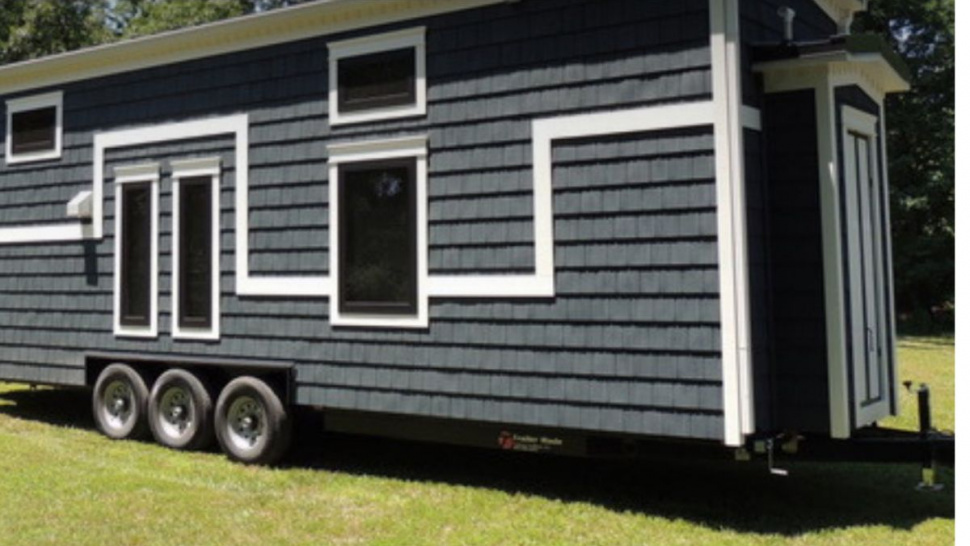

People move here from Texas or Florida with a tiny home plan they downloaded off some builder's website, and it just doesn't translate. Not directly, anyway. Tiny house builders in Colorado are dealing with a completely different set of problems than a builder in a flat, mild climate. Elevation changes how materials behave. Snow load isn't a suggestion, it's math you can't skip. And the mountain towns versus the front range, those are basically two different building worlds even though they're an hour apart sometimes. If you walk into this expecting the same experience your cousin in Georgia had building her tiny home, you're going to be surprised, probably not in a good way.
The First Conversation Usually Goes Longer Than People Expect
I've sat in on a few of these initial builder meetings, and they never go the way first-timers picture. People show up wanting to talk paint colors and loft ladders. A decent builder's going to steer that conversation toward county, elevation, and what the land actually looks like first. Where exactly is this going. What's the snow load rating required there. Is it on a foundation or wheels, because that changes basically everything downstream. Good tiny home builders ask these questions early, not because they're being difficult, but because skipping them means redoing work later, and redoing framing on a tiny house is expensive in a way people don't anticipate until they're the ones paying for it.
Snow Load and Insulation, the Two Things You Can't Skip
This state doesn't play around with winter. A roof that's fine in Denver might not cut it once you're up near Breckenridge or Leadville, where snow load requirements jump considerably. Builders here design around this constantly, thicker rafters, steeper pitches sometimes, reinforced trusses depending on elevation. Insulation follows the same logic. R-values that would be plenty in a milder state feel thin here, and a home that's under-insulated in a Colorado winter is miserable, full stop, no exceptions. Spray foam gets used a lot for this reason, it seals gaps better than batts and holds up against the temperature swings this state throws around, sometimes 40 degrees in one day depending on the season.
Understanding Tiny House Code in Colorado
This is probably the most confusing part for people moving here or building for the first time. Tiny house code isn't one single statewide rulebook, it changes county by county, sometimes even within a county depending on the municipality. Some places have adopted the IRC Appendix Q, which is basically the closest thing to an official tiny home code most states use as a baseline. Other counties haven't touched it and just apply standard residential code, which creates headaches for anything under a certain square footage. A tiny home on wheels might get classified as an RV in one jurisdiction and as a dwelling in another, literally a few miles apart. Anyone serious about building needs to check local code before falling in love with a floor plan, not after.
Timeline Expectations, Because They're Rarely What People Think
Ask five different builders how long a tiny home takes and you'll get five different answers, and honestly, most of them are a little optimistic when they first quote you. Permitting alone can eat weeks depending on the county, sometimes longer if the jurisdiction is backed up or your plans need revisions. Actual construction, once it starts, usually runs somewhere between two and five months for a full custom build, kits can go faster. Weather plays a role too, obviously, winter slows exterior work down considerably at altitude. A builder who tells you six weeks start to finish for a fully custom home is either exaggerating or leaving something out. Good tiny house builders will give you a realistic range and explain what could push it either direction.
Costs Colorado Buyers Should Actually Budget For
Base build costs here run comparable to other states, maybe slightly higher because of labor rates along the front range, but the real difference shows up in the extras nobody mentions upfront. Snow-rated roofing costs more. Better insulation packages cost more. Foundation work, if you're not going with wheels, requires site prep that varies wildly depending on your land's slope and soil, and mountain lots aren't cheap to prep. Utility hookups in more rural counties can run surprisingly high too, especially if you're running power or water any real distance. Most experienced tiny home builders will tell you to pad your budget by at least 15 to 20 percent beyond the base quote, and honestly that number's probably conservative for anyone building above 8,000 feet.
What Separates a Good Builder From One You'll Regret
Ask to see permits they've pulled in your specific county, not just photos of finished homes, because a pretty Instagram post doesn't tell you anything about whether they know your local tiny house code. Ask how they handle snow load calculations, and if they can't answer clearly or fast, that's a red flag worth paying attention to. Talk to past clients if you can track any down, and ask specifically about winter performance, not just how the build process felt. A builder who's upfront about timeline slippage and cost overruns before they happen is worth more than one who promises everything will go smoothly, because in this state, something usually comes up regardless of how good the crew is.
Setting Realistic Expectations Going In
At this point you've probably realized building tiny in Colorado takes more homework than the glossy builder websites let on. That's fine, that's normal, honestly it's better to know that now than three months into a build. Tiny house builders in Colorado who've actually been through a few winters up at elevation know things that builders elsewhere simply haven't had to learn yet, and that experience is worth paying for even if their quote isn't the cheapest one you get. Ask questions early, push on code specifics for your exact county, and don't let a builder rush past the snow load conversation just because it's less exciting than picking out cabinet finishes.
Frequently Asked Questions
What makes tiny house builders in Colorado different from builders elsewhere?
Mainly elevation and weather. Snow load requirements, insulation needs, and temperature swings force different construction choices than builders in milder climates typically deal with.
Is there a single tiny house code that applies across Colorado?
No. Tiny house code varies by county and sometimes by municipality. Some areas use IRC Appendix Q, others apply standard residential code, so always check locally before finalizing plans.
How long does it usually take tiny house builders in Colorado to finish a build?
Custom builds typically run two to five months once construction starts, not counting permitting time, which can add several more weeks depending on the county's backlog.
Do I need extra insulation for a tiny home built at higher elevation in Colorado?
Almost always, yes. Standard insulation levels that work fine at lower elevations or milder climates usually fall short once you're building above 7,000 or 8,000 feet.
What should I ask tiny house builders in Colorado before hiring them?
Ask about permits pulled in your specific county, how they calculate snow load, realistic timelines, and whether they'll walk you through local tiny house code before design work even starts.



Share the News