

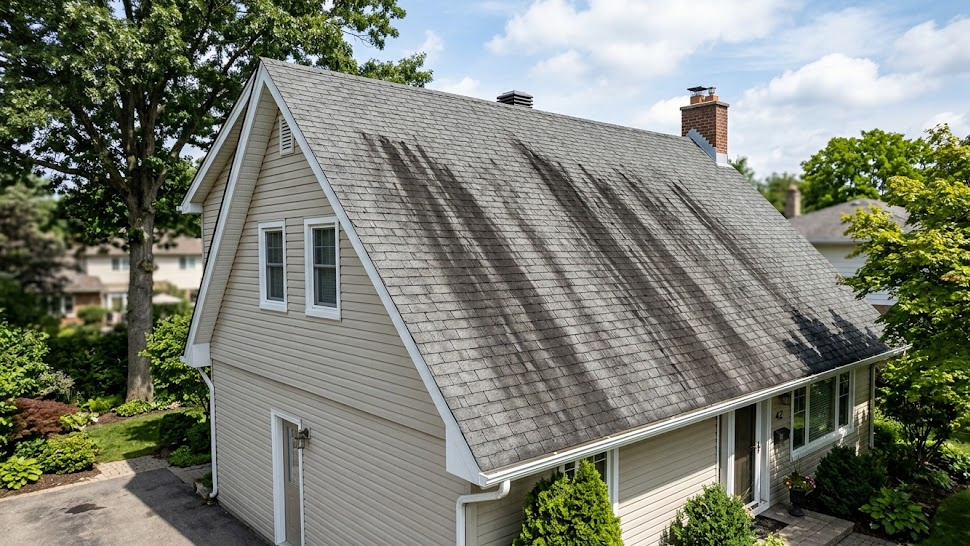

Have you ever looked up at your roof and noticed long, dark streaks running down the shingles? These marks can make an otherwise well-maintained home look older and dirtier than it really is. More importantly, homeowners often wonder whether dark roof streaks are simply a cosmetic issue or a sign that something is wrong with the roofing system. In many cases, the streaks are caused by algae, but other factors can also contribute to roof discoloration.
If you're unsure what is causing the stains or whether your roof needs attention, speaking with experienced Roofing Contractors in Scotts Corners can help you identify the source before attempting to clean or repair the roof yourself. Understanding why these streaks appear is the first step toward choosing the right solution and preventing them from coming back.
What Causes Dark Streaks on a Roof?
The most common cause of dark streaks on asphalt shingles is a type of blue-green algae called Gloeocapsa magma. Despite its name, this organism often appears black, gray, or dark brown when it grows across roofing materials.
Algae spreads through airborne spores. Once spores land on a roof, they can become established when moisture, shade, and suitable temperatures are present. Over time, the algae can create noticeable streaks that become more prominent after rain or periods of high humidity.
However, algae isn't the only possible explanation. Dirt, moss, mold, tree debris, and general weathering can also cause roof discoloration. That's why it's useful to look at the location, pattern, and texture of the streaks rather than assuming they all have the same cause.
Are Dark Roof Streaks a Serious Problem?
Dark streaks don't necessarily mean your roof is failing. In many cases, algae primarily affects the appearance of asphalt shingles rather than immediately threatening the roof's structural integrity.
That doesn't mean the issue should always be ignored, though.
A roof that remains damp for extended periods can be more vulnerable to moss and other forms of organic growth. Moss can be more concerning because it may grow underneath shingle edges, hold moisture against the roofing material, and contribute to premature deterioration.
Dark streaks can also be a useful warning that your roof receives limited sunlight or has moisture-related conditions that deserve attention.
When discoloration deserves a closer look
Consider having the roof inspected if you also notice:
- Missing, cracked, or curling shingles
- Granules collecting in gutters
- Soft or damaged areas
- Moss growing between shingles
- Water stains on ceilings or walls
- Leaks around roof penetrations
- Damaged flashing
- Sagging sections of the roof
The combination of dark streaks and physical roofing damage is more important than discoloration alone.
Why Do Roof Streaks Often Appear on One Side?
You may notice that one section of the roof has dark streaks while another section looks relatively clean. This is usually not random.
Roof surfaces that receive less direct sunlight tend to stay damp longer. If a roof slope faces away from strong sunlight, it may provide a more favorable environment for algae and other organic growth.
Trees can have a similar effect. Large branches that shade a roof can reduce airflow and prevent moisture from evaporating quickly after rain.
Nearby trees can also drop leaves, needles, and other debris onto the shingles. When debris remains on the roof, it can trap moisture and contribute to staining.
Does Rain Make Dark Streaks Worse?
Rain itself isn't necessarily the problem. In fact, regular rainfall can wash loose dirt and debris away. The bigger issue is prolonged moisture.
If water remains on a roof because of poor ventilation, heavy shade, debris buildup, or drainage problems, the surface may stay damp for longer periods. This can create better conditions for algae and moss growth.
Humidity can also contribute to the problem. Homes in areas with humid weather may experience roof algae more frequently than homes in consistently dry environments.
How Can You Tell If It's Algae, Moss, or Dirt?
It can be difficult to identify roof growth from the ground, but there are a few general differences.
Algae
Algae usually appears as flat dark streaks or patches. It doesn't normally have the thick, three-dimensional appearance associated with moss.
Moss
Moss tends to look green and fuzzy or cushion-like. It may grow along shingle edges and in areas where moisture remains trapped.
Dirt and debris
Dirt generally looks more irregular and may accumulate beneath trees or in valleys. It can sometimes be removed without the need for specialized treatment.
Mold or other growth
Dark patches can occasionally be associated with other organic growth or moisture problems. If the cause isn't obvious, an inspection is safer than guessing.
Should You Clean Dark Streaks Yourself?
Roof cleaning may look like a straightforward weekend project, but it can be surprisingly risky.
Walking on shingles can damage them, particularly when the material is aged or brittle. A wet roof is also extremely slippery. Using a pressure washer can cause additional problems by dislodging granules or damaging the protective surface of asphalt shingles.
For these reasons, homeowners should be cautious about climbing onto the roof simply to remove cosmetic staining.
If professional evaluation or roof-related maintenance is necessary, Roofing Contractors in Crugers can help determine whether cleaning is appropriate or whether the discoloration is connected to a larger roofing concern.
What Is the Safest Way to Remove Roof Algae?
The appropriate cleaning method depends on the roofing material and the extent of the growth. Asphalt shingles should generally be treated gently rather than aggressively scrubbed or pressure-washed.
Professional roof cleaning may involve a carefully selected cleaning solution designed for roofing materials. The goal is to address the organic growth without unnecessarily damaging the shingles.
It's also important to understand that cleaning doesn't necessarily prevent algae from returning. If the roof remains shaded and damp, new growth may eventually develop.
How Can You Prevent Dark Streaks From Returning?
Once the roof has been cleaned, prevention becomes important.
Keep the roof clear of debris
Leaves, branches, pine needles, and other debris can trap moisture. Removing debris from the roof and gutters can help improve drainage and reduce damp areas.
Trim overhanging branches
Trees provide shade and can contribute to organic debris accumulation. Carefully trimming branches near the roof can increase sunlight and airflow.
Maintain your gutters
Clogged gutters can prevent water from draining properly. Check gutters regularly and make sure downspouts direct water away from the home's foundation.
Check attic ventilation
Good attic ventilation helps regulate temperature and moisture. If your attic has excessive moisture or poor airflow, addressing the ventilation system may benefit the overall roofing system.
Consider algae-resistant shingles
If you're replacing your roof, ask a roofing professional about shingles designed with algae-resistant properties. These products can help reduce the likelihood of recurring algae staining.
Can Dark Streaks Shorten the Life of a Roof?
Algae stains alone don't automatically mean a roof's lifespan will be significantly reduced. The bigger concern is the environment that allows organic growth to thrive.
Persistent moisture, moss, debris, poor drainage, and inadequate ventilation can all contribute to roofing problems over time.
If dark streaks are accompanied by curling shingles, exposed roofing materials, leaks, or excessive granule loss, the situation deserves more attention.
Regular inspections can help identify these problems before they become expensive repairs.
When Should You Call a Roofing Professional?
You don't necessarily need a professional every time you see a dark streak. If the roof otherwise appears to be in good condition, the issue may be primarily cosmetic.
However, professional advice is worthwhile when:
- The roof is older.
- Streaks are spreading rapidly.
- Moss is growing on the shingles.
- You notice missing or damaged shingles.
- There are signs of water intrusion.
- You aren't sure what is causing the discoloration.
- You're considering roof cleaning.
You're planning to sell the property and want the roof evaluated.
A professional can inspect the roof from a safe position and determine whether the streaks are simply surface staining or part of a broader maintenance issue.
Don't Ignore What Your Roof Is Telling You
Dark streaks on a roof are common, particularly on asphalt shingles exposed to moisture and shade. In many situations, they are caused by algae and are primarily an aesthetic concern. But discoloration can also point toward conditions such as persistent moisture, poor drainage, excessive shade, or organic growth.
The best approach is to avoid jumping straight into aggressive cleaning. Instead, look at the overall condition of the roof and investigate any additional signs of damage. Keeping gutters clean, managing nearby vegetation, maintaining proper ventilation, and scheduling periodic inspections can all help protect your roofing system.
A clean-looking roof is nice, but a healthy roofing system matters more. If you're maintaining both your roof and exterior surfaces, working with a trusted company such as JLL Painting can also help you keep your home's exterior looking well cared for from top to bottom.



Share the News