

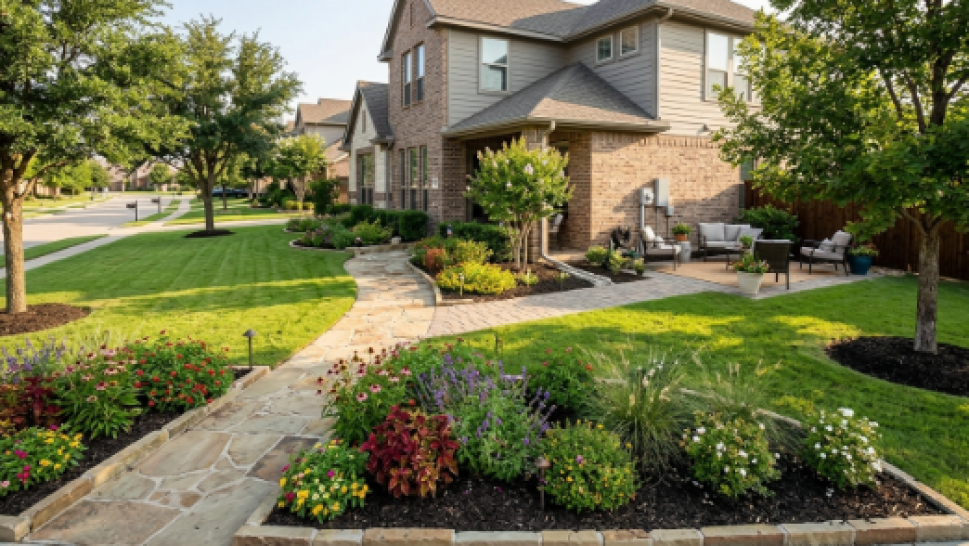

A suburban yard can look attractive from the street while still having small problems that become obvious over time. Uneven turf, worn pathways, poorly defined garden beds, drainage trouble, or neglected corners can gradually affect the entire property. Keeping an outdoor space looking polished is not only about cutting grass. It also involves making sensible property improvements and maintaining each part of the yard according to how it is used.
For homeowners, Little Elm lawn services can be one part of that larger picture. When routine care is combined with thoughtful improvements, a yard becomes easier to manage, more comfortable to use, and better prepared for changing weather and everyday activity.
Start With the Areas That Need the Most Attention
Before spending money on a major outdoor project, homeowners should identify which parts of the property are actually causing problems. A quick inspection can reveal whether the biggest issue is unhealthy turf, poor water movement, excessive shade, or simply an inefficient layout.
Instead of trying to upgrade everything at once, focus first on areas that affect appearance and function most noticeably.
A useful starting checklist includes:
Sections of grass that repeatedly become thin or bare
Walkways or edges that have become uneven
Low spots where water remains after rain
Landscape beds that have lost their definition
This type of assessment creates a practical foundation for future decisions. It also prevents homeowners from installing attractive features that fail to address the underlying problems.
Improve the Yard's Basic Structure Before Adding Extras
Outdoor improvements tend to work better when the basic structure of the property is already sound. A patio, decorative bed, or new lawn may look impressive initially, but poor grading or compacted soil can eventually create problems around those improvements.
Pay attention to how the property handles ordinary weather. After rainfall, look for areas where water gathers or moves unusually quickly. Check whether soil is washing toward sidewalks and whether turf near downspouts receives too much water.
Make Drainage Part of the Plan
Drainage does not always require a dramatic solution. Sometimes a small adjustment to grading or the placement of a landscape bed can improve how water moves across the property.
Homeowners should watch for recurring signs such as:
Standing water that appears in the same location
Muddy sections near walkways
Exposed soil after heavy rainfall
Turf that remains noticeably wetter than surrounding areas
Addressing these conditions early can protect both grass and hardscape features. It can also make later landscaping projects more predictable.
Give the Lawn a Stronger Foundation
Grass performs differently depending on soil, sunlight, moisture, and traffic. A weak patch should not automatically be treated as a simple mowing problem.
For example, grass beneath a mature tree may struggle because it receives limited sunlight and competes for moisture. Turf beside a driveway may suffer from repeated foot traffic. Another section could have compacted soil that prevents water and air from moving properly through the root zone.
A practical maintenance plan considers those differences rather than treating the entire property identically.
This is where yard maintenance Little Elm becomes more useful when it is based on observation. Regular mowing, edging, debris removal, and seasonal attention matter, but they work best when homeowners understand the conditions affecting the lawn underneath.
Know When a Lawn Needs More Than Routine Care
Some turf problems can be corrected through improved maintenance. Others have progressed far enough that replacing the affected area becomes more practical.
Homeowners considering sod installation should first determine why the existing lawn failed. If poor drainage, excessive shade, soil compaction, or heavy traffic remains unchanged, new grass may eventually face the same difficulties.
Preparation should therefore receive as much attention as the visible installation itself.
Important preparation steps can include:
Clearing damaged or unsuitable turf
Correcting obvious grading concerns
Improving the condition of the soil
Establishing an appropriate watering routine
Once new sod is installed, the establishment period should be treated differently from normal lawn maintenance. Newly laid turf needs consistent care while roots develop and connect with the soil beneath it.
Use Landscape Improvements to Make Maintenance Easier
A well-designed yard should not create unnecessary work. If planting beds are scattered awkwardly across the lawn or pathways cut through areas that are difficult to mow, routine maintenance can become inefficient.
Thoughtful landscap design can solve some of these issues by creating clearer boundaries between different parts of the property. A properly placed bed can frame a lawn without producing difficult-to-reach strips of grass. A walkway can guide foot traffic away from areas that would otherwise become worn.
Good design also considers how features will look after plants mature rather than only how they appear immediately after installation.
Choose Improvements Based on Daily Use
A yard should support the way a household actually uses its outdoor space. A family that spends weekends outside may need durable open turf and convenient pathways, while another household may prefer a smaller lawn with more defined seating areas.
Before changing the layout, consider:
Where people naturally gather
Which areas receive frequent foot traffic
Whether children or pets regularly use the lawn
Which outdoor spaces are rarely used
These observations can help homeowners avoid paying for features that look attractive but have little practical value.
Keep Lawn Care Connected to Seasonal Changes
Little Elm properties experience changing outdoor conditions throughout the year. Grass growth, soil moisture, leaf accumulation, and general yard use can all shift with the seasons.
That means a maintenance plan should not simply repeat the exact same tasks every month.
Spring may be the right time to evaluate winter damage and prepare beds. Hotter periods require closer attention to moisture and turf stress. Fall brings leaves and debris, while cooler months can provide an opportunity to review larger improvement projects.
A seasonal approach can include:
Checking irrigation before periods of high demand
Adjusting mowing practices as grass growth changes
Removing accumulated leaves and debris
Inspecting turf after extreme weather
This does not mean homeowners need an elaborate calendar. Even a simple seasonal checklist can make outdoor upkeep more organized.
Protect the Areas Between Lawn and Hardscape
Transitions between grass, planting beds, patios, driveways, and walkways often receive less attention than the lawn itself. Yet these areas can strongly influence how finished a property appears.
Grass that spreads into a bed, soil that reaches a walkway, or an uneven edge beside a patio can make a well-maintained yard look unfinished.
Regular attention to these details helps maintain clean visual boundaries without making the property appear overly formal.
This is another area where Little Elm lawn services can complement broader landscape care. Routine work can keep edges, turf, and surrounding surfaces in better condition while homeowners concentrate on larger property improvements.
Don't Let Trees Create Hidden Lawn Problems
Mature trees are valuable features in suburban yards, but they can also change the conditions around them. Their canopy can reduce sunlight, roots can compete with turf, and falling leaves can cover grass for extended periods.
Rather than forcing grass to grow everywhere, homeowners should recognize where another surface or landscape treatment may be more appropriate.
A shaded section, for instance, might work better as a defined seating area, mulched space, or planting bed than as a constantly struggling lawn. This kind of adjustment can reduce maintenance while making the yard more functional.
The key is to work with existing property conditions instead of repeatedly fighting them.
Consider Professional Help for Larger Improvements
Routine maintenance is manageable for many homeowners, but larger projects can involve several connected issues. Turf replacement, grading, drainage adjustments, irrigation concerns, and landscape redesign may require more planning than a typical weekend project.
For homeowners who want help coordinating recurring lawn and outdoor property care, The Grounds Guys of Little Elm can provide professional assistance while keeping the focus on the property's practical needs. Professional input can be especially useful when homeowners are unsure whether a recurring problem is caused by maintenance, soil, drainage, or the overall landscape layout.
The goal should be to solve the actual issue rather than simply improve its appearance temporarily.
Avoid Improvements That Increase Maintenance Unnecessarily
It is easy to add features without considering how much work they will require later. More planting beds, complicated borders, decorative surfaces, or fragmented lawn areas can all increase the number of tasks involved in keeping a property tidy.
Before approving a new improvement, ask whether it will make the yard easier or harder to maintain.
Common mistakes include:
Creating narrow strips of turf that are difficult to mow
Installing features without considering water drainage
Choosing plants without accounting for mature size
Replacing grass without addressing the original cause of failure
A property does not need to be packed with features to look polished. Often, a simpler layout with healthy turf, defined spaces, and clean transitions creates a more consistent appearance.
Think About Long-Term Turf Replacement
Sod installation can provide an immediate visual change, but homeowners should think beyond the installation day. New turf needs time to establish and should be protected from unnecessary stress during that period.
The surrounding landscape also matters. If a new lawn section connects to an older area with different growing conditions, maintenance may need to account for the contrast between the two.
Over time, homeowners should monitor whether the new turf remains consistent with the property's watering, mowing, and traffic patterns. Early adjustments can help preserve the investment.
Build a Landscape That Ages Well
Outdoor improvements should be selected with the future in mind. Plants grow, trees create more shade, families change how they use outdoor spaces, and maintenance requirements can increase as a landscape matures.
A thoughtful landscap design leaves enough room for plants to develop without crowding paths, windows, or lawn areas. It also provides reasonable access for maintenance and keeps important property features visible.
Long-term planning can involve:
Leaving sufficient space around mature plants
Keeping maintenance access clear
Choosing durable materials for high-use areas
Avoiding layouts that depend on constant pruning or reshaping
This approach can help a property remain attractive without requiring homeowners to repeatedly redesign the same areas.
Make Maintenance a Continuing Process
A pristine-looking suburban yard is rarely the result of one major project. It is usually the outcome of many small decisions made consistently over time.
That might mean correcting a drainage issue before it damages turf, refreshing a worn section, redefining a bed edge, or adjusting maintenance after a particularly difficult season. Regular observation makes these decisions easier because homeowners can respond to actual changes rather than guessing.
Effective yard maintenance Little Elm should therefore be viewed as an ongoing process that supports the entire property. The goal is not perfection. It is keeping the yard healthy, usable, organized, and prepared for the conditions it is likely to face.
Conclusion
Keeping a suburban property looking pristine requires more than frequent mowing. Healthy turf, sensible drainage, durable hardscapes, defined landscape areas, and a layout that matches everyday use all contribute to the final result.
For homeowners, the most useful approach is to improve the property in a logical order. Start by identifying recurring problems, strengthen the basic conditions, choose improvements that support actual yard use, and maintain those improvements according to seasonal needs. When yard maintenance Little Elm is combined with well-planned property upgrades, the result can be an outdoor space that remains attractive without becoming unnecessarily difficult to manage.
Frequently Asked Questions
How can homeowners make a suburban yard easier to maintain?
Start by simplifying awkward areas and correcting recurring problems such as poor drainage or damaged turf. Clear boundaries between lawn, beds, and hardscapes can also make routine work more efficient.
When is sod installation worth considering?
Sod can be useful when large sections of turf are severely damaged or unsuitable for recovery. The underlying soil, drainage, and growing conditions should be addressed before installation.
Does landscape design affect lawn maintenance?
Yes. The placement of pathways, planting beds, trees, and lawn areas can directly affect mowing access, watering, foot traffic, and future upkeep.
How often should a yard be evaluated?
A quick inspection every week or two can help homeowners notice changes early. More detailed evaluations are useful when seasons change or after unusual weather.
Can drainage problems affect grass?
Yes. Excess water can weaken turf and create muddy or persistently wet areas. Identifying where water collects can help determine whether grading or another solution is needed.
Should every part of a property have grass?
No. Some shaded, high-traffic, or difficult-to-maintain areas may work better as planting beds, pathways, seating spaces, or other landscape features. The best choice depends on how each part of the property is used.



Share the News