

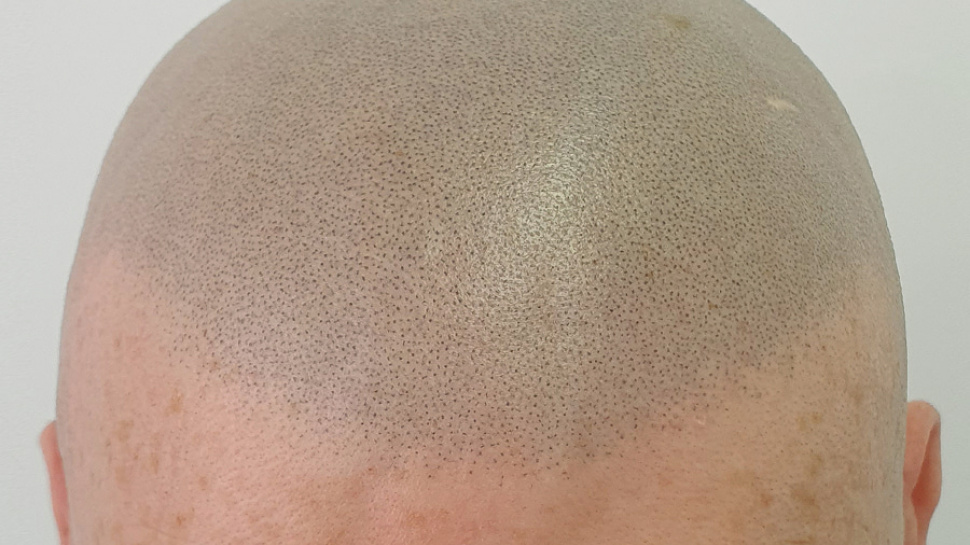

If you are wondering, What is Scalp Micropigmentation Treatment?, it is a non-surgical cosmetic procedure designed to improve the appearance of thinning hair, hair loss, receding hairlines, and visible scalp areas. The treatment uses specialized pigments deposited into the scalp to create tiny, carefully positioned dots that resemble natural hair follicles. These dots can create the appearance of closely shaved hair or make thinning areas look visually denser. Unlike a hair transplant, scalp micropigmentation does not move or grow hair follicles. It creates a cosmetic effect that can improve the overall appearance of the scalp. If you are exploring related cosmetic procedures, you can also learn about تقنية التصبغ المجهري لفروة الرأس في دبي.
How Does Scalp Micropigmentation Work?
Scalp micropigmentation uses a specialized device to place small amounts of pigment into the scalp.The practitioner carefully creates individual dots that vary in size, angle, and density. This variation is important because natural hair follicles do not appear as perfectly identical dots.The pigment placement is customized according to the person's existing hair, scalp characteristics, skin tone, hair color, and desired appearance.The treatment can be used across different areas of the scalp, including the hairline, crown, temples, and areas where hair appears thinner.
What Is Scalp Micropigmentation Used For?
SMP can address several cosmetic concerns associated with hair loss and scalp visibility.
Thinning Hair:
When hair becomes thinner, more of the scalp can become visible between existing hairs. SMP can create the visual impression of greater density by adding pigment between the remaining follicles.
Receding Hairline:
A carefully designed pigment pattern can create a more defined-looking hairline. The hairline should be customized according to facial proportions and the individual's existing hair pattern.
Pattern Hair Loss:
People experiencing pattern hair loss may use SMP to improve the visual appearance of areas affected by reduced density.
Scalp Scarring:
SMP may also be used to camouflage the appearance of certain scalp scars, including scars associated with previous procedures. Suitability depends on the scar's condition, location, and healing.
Does Scalp Micropigmentation Grow Hair?
No. Scalp micropigmentation does not stimulate new hair growth or create new hair follicles.Instead, it uses pigment to replicate the visual appearance of follicles.This distinction is important when comparing SMP with hair restoration procedures such as hair transplantation. A transplant involves moving hair follicles, whereas SMP is primarily a cosmetic pigmentation technique.Some people may use SMP on its own, while others may combine it with hair restoration treatments to improve the overall appearance of density.
What Happens During An SMP Treatment?
The process generally begins with a consultation and scalp assessment.The practitioner may discuss the desired hairline, density, scalp condition, hair color, skin tone, and overall treatment goals.The treatment area is then prepared before pigment application begins.Using specialized equipment, the practitioner places small pigment deposits into selected areas of the scalp. The dots are positioned to create a natural-looking follicle pattern.Treatment may be completed over multiple sessions rather than one appointment. Additional sessions allow the practitioner to build density gradually, assess healing, and refine the final appearance.
Can SMP Be Customized?
Yes. Customization is an important part of scalp micropigmentation.
The practitioner can consider several factors when developing the treatment design, including:
Natural hair color
Skin tone
Existing hair density
Hairline shape
Degree of hair loss
Scalp characteristics
Facial proportions
Desired level of density
A natural-looking result generally depends on creating a pattern that complements the individual's existing appearance rather than applying the same design to every person.
Is Scalp Micropigmentation Permanent?
SMP is considered a long-lasting cosmetic treatment, but the appearance can change over time.Pigment may gradually soften or fade because of factors such as sun exposure, skin characteristics, lifestyle, and natural changes in the pigment.Some people may eventually choose a maintenance session to refresh the appearance.The longevity of the result can vary, so expectations about maintenance should be discussed during the consultation.
Is SMP Suitable For Everyone?
Many people with visible scalp areas or concerns about hair density may consider SMP, but individual suitability should be assessed.A practitioner may evaluate the condition of the scalp and consider factors such as active irritation, infection, significant inflammation, scarring, and other skin concerns.People with certain scalp conditions may need to address those issues before undergoing cosmetic pigmentation.A professional assessment can help determine whether SMP is appropriate and how the treatment should be customized.
What Is The Recovery Like?
SMP generally involves limited downtime, although the treated scalp can temporarily appear red, sensitive, or slightly irritated.The appearance of the pigment may also change during the initial healing period.Aftercare instructions can vary depending on the treatment approach and individual skin response. Patients may receive guidance regarding scalp washing, sun exposure, sweating, physical activity, and skincare products.Following these instructions can help support proper healing and protect the appearance of the treated area.
How Many SMP Sessions Are Needed?
The number of sessions varies according to the extent of hair loss, treatment area, desired density, pigment application, and individual healing response.A first session may establish the basic follicle pattern. Additional sessions can then refine density, improve consistency, and make adjustments where necessary.Spacing sessions appropriately allows the scalp to recover and gives the practitioner an opportunity to assess how the pigment has settled.
How Is SMP Different From A Hair Transplant?
The main difference is that SMP creates a visual effect, while a hair transplant aims to produce actual hair growth.A hair transplant involves removing hair follicles from a donor area and placing them into areas affected by hair loss. SMP deposits pigment into the scalp without transplanting follicles.Neither approach is identical, and the appropriate option depends on individual goals, hair-loss characteristics, and expectations.In some cases, SMP and hair transplantation may be used together as part of a broader hair restoration plan.
Frequently Asked Questions:
What is Scalp Micropigmentation Treatment?
It is a non-surgical cosmetic procedure that deposits specialized pigment into the scalp to simulate the appearance of hair follicles.
Does SMP regrow hair?
No. SMP does not grow new hair. It creates the visual appearance of greater density or closely shaved follicles.
How long does SMP last?
It is long-lasting, but pigment can gradually soften or fade. Maintenance may eventually be needed.
How many SMP sessions are required?
The number varies according to the treatment area, degree of hair loss, desired density, and individual response.
Conclusion:
So, What is Scalp Micropigmentation Treatment? It is a non-surgical cosmetic technique that uses carefully placed scalp pigments to replicate the appearance of hair follicles and improve the visual appearance of thinning or hair loss. It can be customized for different hairlines, scalp areas, skin tones, and degrees of hair density. Unlike a hair transplant, SMP does not produce new hair growth, but it can create the appearance of fuller or closely shaved hair. Results are long-lasting but may gradually soften over time, and maintenance may be considered when needed. A professional consultation can help determine whether scalp micropigmentation is suitable and establish a treatment design based on individual appearance and goals.



Share the News