

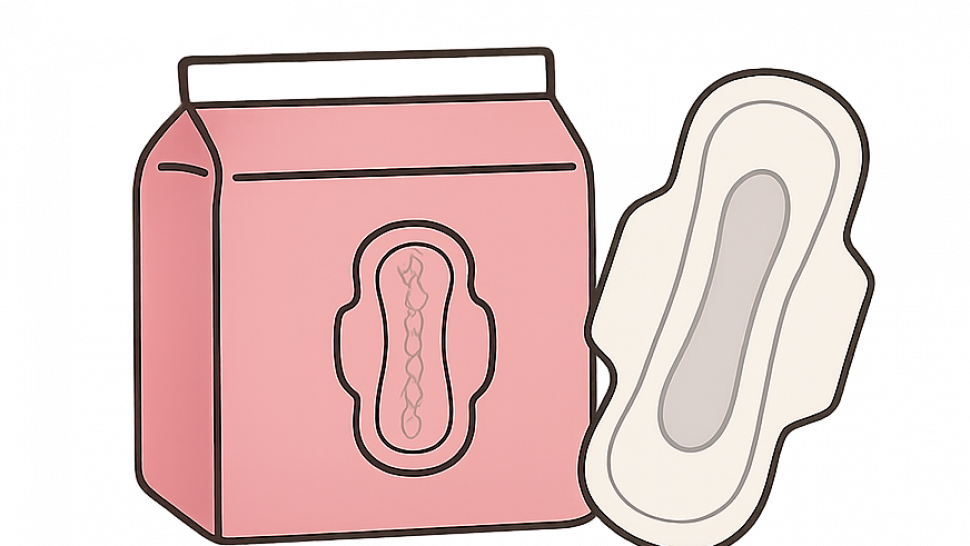

Best sensitive sanitary pads can make period days feel easier, cleaner, and more comfortable. If your skin feels itchy, warm, or sore during your period, the pad you choose may play a role. A gentle pad should feel soft against the skin while giving reliable protection from leaks. It should also suit your flow, daily routine, and local weather.
For women and girls in Pakistan, heat and humidity can make comfort even more important. Breathable materials, good absorbency, and a secure fit can help you stay fresh. This guide explains what to check, what to avoid, and how to choose sensitive skin period pads with greater confidence.
Key Takeaways
Choosing the right period product starts with your skin, flow, and comfort needs. A soft sanitary pad can reduce rubbing, while the right absorbency helps control moisture. You should also change pads regularly to support menstrual hygiene. Keep these five points in mind when comparing options.
- Choose a soft, breathable surface that feels comfortable on sensitive skin.
- Look for suitable absorbency instead of choosing the thickest pad.
- Consider fragrance free pads if scents tend to irritate your skin.
- Pick wings and a secure adhesive for better leak protection.
- Change your pad regularly and watch for ongoing skin irritation.
How to Choose Gentle Sanitary Pads for Sensitive Skin
The Best sensitive sanitary pads should combine skin comfort with dependable period protection. Start by checking the top sheet because it stays in contact with your intimate skin for hours. A smooth and breathable surface may help limit friction and trapped moisture. Also, choose the absorbency level that matches your menstrual flow instead of relying only on pad thickness.
Sensitive skin reacts differently from person to person. Therefore, a product that suits a friend may not suit you. Look at the product label and check the materials when that information is available. Unscented or fragrance free menstrual pads may be worth considering if perfumes cause discomfort. If a new pad causes repeated itching, burning, swelling, or a rash, stop using it and seek medical advice when symptoms continue.
Which Sanitary Pad Features Help Sensitive Skin Most
Comfort depends on more than softness. A good pad needs to absorb menstrual fluid and keep its surface reasonably dry. Breathable sanitary pads can also feel more comfortable in Pakistan's warm climate. Flexible wings help hold the pad in place. Meanwhile, a well designed absorbent core can provide protection without making the product feel overly bulky during school, work, travel, or sleep.
Look Closely at the Top Sheet
The top layer touches the vulvar area, so texture matters. Choose a smooth top sheet that does not feel rough against your skin. Good moisture transfer can move fluid toward the absorbent core. As a result, the surface may feel drier. However, no sanitary pad can prevent every case of irritation, especially when friction, sweat, personal sensitivity, or another skin condition causes symptoms.
How Absorbency and Fit Improve Period Day Comfort
High absorbency does not always mean a pad will suit every situation. Light, moderate, and heavy menstrual flow need different levels of protection. Choose a pad that handles your usual flow without feeling unnecessarily large. On heavier days, you may need higher absorbency. At night, a longer pad can offer more coverage and help protect the back and sides of your underwear.
Fit matters too. A pad that shifts can cause rubbing and leaks. Wings should wrap neatly around your underwear, while adhesive should keep the pad secure. Your clothing and activity level can also affect fit. Therefore, try different pad lengths or designs until you find one that stays comfortable while walking, sitting, studying, working, exercising, or sleeping.
Why Fragrance Free Period Pads May Feel Gentler
Added fragrance gives some menstrual products a scented feel, but scent does not make a pad cleaner. People with sensitive skin may prefer fragrance free sanitary pads, especially if scented personal care products have caused discomfort before. Still, fragrance is only one factor. Sweat, friction, trapped moisture, adhesives, and prolonged wear can also contribute to redness or irritation around sensitive areas.
Your menstrual cycle can also bring symptoms beyond bleeding. Some people notice tiredness, cramps, headaches, appetite changes, or Nausea Before Period. Hormonal changes can contribute to these symptoms. However, severe or recurring nausea deserves medical attention. Tracking symptoms across several cycles can help you recognize patterns and explain them clearly to a qualified healthcare professional.
How Often Should You Change a Sensitive Sanitary Pad
Change your pad before it becomes soaked or uncomfortable. Your flow determines how often you need a fresh one. Many people change pads every few hours during the day, but heavy flow may require more frequent changes. Always follow the product instructions. Regular changes help manage moisture, odor, leakage, and comfort while supporting healthy menstrual hygiene throughout your period.
A simple routine can make period care easier.
- Wash your hands before and after changing a sanitary pad.
- Wrap and place used pads in an appropriate waste bin.
- Keep spare pads in a clean, dry pouch when leaving home.
- Change sooner if the pad feels wet, full, loose, or uncomfortable.
- Use clean, breathable underwear and change it when needed.
How to Compare Sensitive Pads Before Buying in Pakistan
Start with practical needs instead of attractive packaging. Check pad length, absorbency, surface material, wings, pack size, and fragrance information. Then consider where you will use the product. A school day may call for secure fit and portability, while overnight use may need greater coverage. Pakistan's hot weather can also make breathable materials and regular pad changes particularly valuable for daily comfort.
Price matters, but the cheapest or most expensive product is not automatically the right choice. Compare the cost with comfort, number of pads, absorbency, and expected use. If possible, try a smaller pack before buying in bulk. This approach lets you see how your skin responds. Stop using any menstrual product that repeatedly causes noticeable burning, swelling, rash, or significant discomfort.
What Can Cause Irritation While Wearing Sanitary Pads
Pad irritation can have several causes. Friction may increase when a pad moves against damp skin. Heat and sweat can make the area feel uncomfortable, while fragrance or another material may trigger sensitivity in some users. Wearing a wet pad for too long can also worsen discomfort. Regular changes, breathable underwear, and a correctly fitting pad can help reduce avoidable friction and moisture.
Do not assume every rash comes from a sanitary pad. Skin conditions, infections, soaps, detergents, tight clothes, or other personal care products can cause similar symptoms. Avoid diagnosing persistent symptoms yourself. Contact a qualified medical professional if you develop severe pain, unusual discharge, sores, swelling, strong persistent odor, fever, or irritation that does not improve after changing products and your hygiene routine.
How to Build a Comfortable Menstrual Care Routine
A good period routine stays simple. Keep enough pads at home, school, university, or work so you can change them when needed. Choose clean underwear that fits well and allows comfortable movement. Also, note your usual menstrual flow. Knowing which days are light or heavy can help you select appropriate absorbency and prepare for longer trips or busy days.
Comfort also includes listening to your body. Rest when you need it, drink enough water, and manage cramps using safe methods suitable for you. Avoid perfumed products around the vulva if they cause irritation. Most importantly, seek professional medical advice when period pain, bleeding, nausea, or skin symptoms become severe, suddenly change, or interfere with normal daily activities.
Conclusion
The right sensitive sanitary pad should support comfort, absorb menstrual flow, stay securely in place, and fit your daily routine. Focus on a soft surface, suitable absorbency, breathable design, dependable wings, and fragrance preferences. Change your pad regularly and pay attention to how your skin responds. These simple checks can make choosing menstrual products easier and more personal.
Women and girls have different periods, so there is no single pad that works perfectly for everyone. Compare features and choose protection based on your own flow, skin, and routine. If you want to explore menstrual care products designed with everyday comfort in mind, you can also learn more about embrace pads and select an option that matches your needs.
Frequently Asked Questions
What sanitary pads are suitable for sensitive skin?
Look for sanitary pads with a soft top sheet, comfortable fit, suitable absorbency, and breathable materials. Fragrance free pads may suit people who react to scents. Stop using a product if it causes repeated irritation or burning.
Are fragrance free sanitary pads better for sensitive skin?
They can be a useful choice when fragrance causes sensitivity. However, irritation may also come from friction, sweat, moisture, or other materials. Choose a comfortable product and monitor how your skin responds during use.
How often should I change my sanitary pad?
Change your pad every few hours or sooner when it becomes wet, full, loose, or uncomfortable. Heavy menstrual flow may require more frequent changes. Follow the manufacturer's directions and use a fresh pad whenever necessary.
Can sanitary pads cause itching or rashes?
Some people can develop irritation from friction, moisture, fragrance, heat, or sensitivity to certain materials. Change the product if discomfort appears. Seek medical advice if a rash is severe, keeps returning, or comes with other symptoms.
Which pad is better for heavy menstrual flow?
Choose a pad designed for heavier flow with higher absorbency and enough length for your needs. Longer overnight pads may provide extra coverage while sleeping. Very heavy or unusual bleeding should be discussed with a qualified healthcare professional.



Share the News