

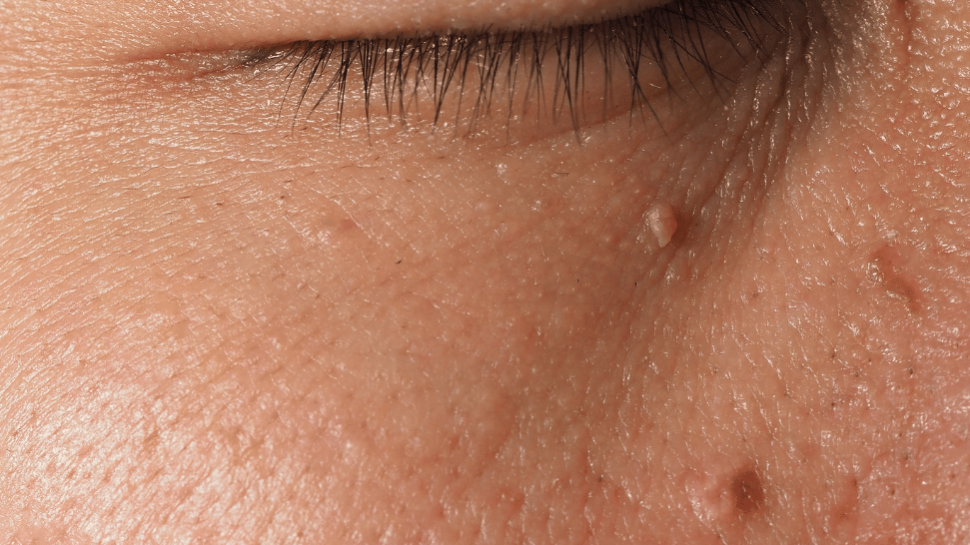

Salicylic acid peel treatment may be suitable for people who experience oily skin, clogged pores, blackheads, whiteheads, and certain types of mild acne. This professional exfoliation procedure uses salicylic acid, a beta-hydroxy acid (BHA), to loosen dead skin cells and help clear pore congestion. It may also improve the appearance of uneven skin texture and selected superficial acne marks. Individuals considering تقشير البشرة بحمض الساليسيليك في دبي should first assess their skin concerns and consult a qualified professional to determine whether the treatment is appropriate for them.
Who Is an Ideal Candidate for Salicylic Acid Peel Treatment?
The most suitable candidates are generally people whose skin concerns may respond to controlled exfoliation. However, suitability depends on skin sensitivity, medical history, current medications, and the strength of the proposed peel.
People With Oily Skin:
People with oily skin may consider this treatment because excess sebum can contribute to clogged pores and blackheads. Salicylic acid is oil-soluble, allowing it to interact with oily material within pores and help loosen accumulated debris.
The treatment does not permanently stop oil production, but it may improve the appearance of congestion when used as part of an appropriate skin-care routine.
People With Blackheads and Whiteheads:
Blackheads and whiteheads develop when oil and dead skin cells accumulate in hair follicles. Salicylic acid helps loosen this buildup, making it a potential option for people who frequently experience these types of blemishes.
A practitioner can assess whether a peel is suitable or whether a home-care routine or another treatment would be more appropriate.
People With Mild Acne:
Individuals with mild acne, especially acne associated with clogged pores, may benefit from salicylic acid exfoliation. It can help improve the appearance of blackheads, whiteheads, and some blemishes.
However, severe, painful, cystic, or persistent acne may require medical treatment. A chemical peel should not replace an appropriate acne management plan when additional treatment is necessary.
People With Uneven Skin Texture:
Dead skin cell buildup can make the skin appear dull or feel rough. Salicylic acid promotes exfoliation and may help create a smoother-looking surface.
It may be useful for mild texture concerns associated with congestion. Deep acne scars and significant textural changes generally require different treatments.
People With Certain Post-Acne Marks:
Some individuals develop superficial discoloration after acne breakouts. A salicylic acid peel may help improve the appearance of selected marks over time, depending on their cause and depth.
However, irritation can worsen pigmentation in some people. Those prone to dark marks after inflammation should discuss the potential risks and alternatives with a qualified practitioner before treatment.
Who Should Avoid or Delay Treatment?
Although salicylic acid peels can be appropriate for many people, they are not suitable for everyone. A professional assessment is particularly important if you have:
Highly sensitive or irritated skin: Exfoliation may increase redness, dryness, or discomfort.
Broken skin or an active skin infection: Treatment may worsen irritation or delay recovery.
A known salicylate allergy: The practitioner should assess the risk and discuss alternatives.
Severe or inflamed acne: Other medical treatments may be more appropriate.
A history of pigmentation changes: Irritation can trigger or worsen post-inflammatory hyperpigmentation.
Medication-related concerns: Certain medications can affect skin sensitivity or recovery, so these should be reviewed before treatment.
People taking isotretinoin or other medications that affect the skin should consult their prescribing clinician before arranging a peel. Pregnancy and other individual health circumstances may also influence the treatment decision.
Is Salicylic Acid Peel Suitable for Sensitive Skin?
Sensitive skin requires extra caution. Although salicylic acid can be useful for some acne-related concerns, it may cause stinging, dryness, redness, or peeling. A stronger formulation or excessive frequency can damage the skin barrier.
A qualified practitioner can assess your sensitivity, review your existing skin-care products, and determine whether a lower-intensity approach or an alternative treatment is preferable. Do not assume that a peel is suitable simply because your skin is oily or acne-prone.
What Should You Expect Before and After Treatment?
Before treatment, the practitioner will usually review your skin concerns, medical history, medications, allergies, and previous reactions to exfoliating ingredients. They will then determine whether the peel is appropriate and explain the likely benefits and risks.
After the procedure, temporary redness, tightness, dryness, or flaking may occur. To support recovery:
Use a gentle cleanser and suitable moisturizer.
Apply broad-spectrum sunscreen daily.
Avoid picking or pulling away peeling skin.
Pause retinoids, scrubs, and other exfoliating acids for the period advised.
Avoid waxing or other irritating procedures until your skin has recovered.
Seek medical advice if you experience severe burning, blistering, swelling, or worsening irritation.
The number and frequency of sessions depend on the skin concern, formulation, and individual response. A qualified professional should recommend an appropriate schedule.
Frequently Asked Questions:
Is salicylic acid peel suitable for all skin types?
No. It may be helpful for selected oily and acne-prone skin concerns, but sensitivity, medical history, and pigmentation risk can affect suitability.
Can teenagers consider salicylic acid peel treatment?
Some teenagers may benefit from acne-focused treatment, but suitability should be assessed by a qualified clinician, particularly if acne is persistent or severe.
Can people with dry skin get a salicylic acid peel?
Dry skin may be more prone to irritation. A practitioner should assess the skin barrier and determine whether another treatment would be more appropriate.
How many sessions are required?
The number of sessions varies according to the skin concern, peel strength, and treatment response. There is no single schedule that suits everyone.
Can salicylic acid peel permanently prevent acne?
No. It may help manage clogged pores and certain acne concerns, but it cannot guarantee that breakouts will not return. Ongoing skin care or additional treatment may be necessary.
Conclusion:
Salicylic acid peel treatment may be worth considering for people with oily skin, blackheads, whiteheads, clogged pores, and certain types of mild acne. It may also improve the appearance of uneven texture and selected superficial acne marks. However, the treatment is not suitable for everyone, especially those with highly sensitive or damaged skin or certain medical considerations. A professional skin assessment can help determine whether salicylic acid peel treatment fits your needs and identify the safest approach for your complexion.



Share the News