

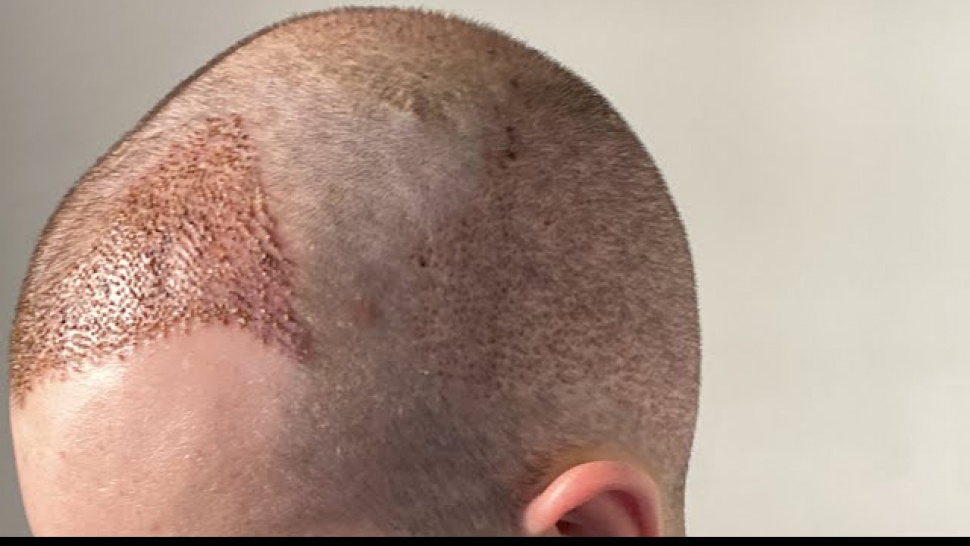

Medical tests before a hair transplant help assess a patient's general health, identify potential causes of hair loss, and determine whether surgery can be performed safely. The tests required vary according to medical history, age, current medications, scalp condition, and the type of procedure planned. People considering زراعة الشعر في دبي should understand that not everyone needs the same investigations. A thorough consultation and scalp examination help the surgeon decide which tests are necessary, identify possible risks, and create an appropriate treatment plan before surgery.
Why Are Medical Tests Important Before a Hair Transplant?
A hair transplant is a surgical procedure that involves extracting hair follicles from a donor area and placing them into areas affected by thinning or hair loss. Although it is commonly performed as an outpatient procedure, patients still need an assessment to identify health concerns that could affect anesthesia, bleeding, wound healing, or recovery.
Preoperative testing may help:
Assess general health before surgery.
Identify medical conditions that could increase surgical risks.
Investigate possible underlying causes of hair loss.
Check for problems that may affect healing.
Determine whether additional medical assessment is needed.
The surgeon should select tests based on the patient's circumstances rather than automatically ordering every available investigation.
What Medical Tests May Be Required Before a Hair Transplant?
Complete Blood Count (CBC):
A complete blood count measures components of the blood, including red blood cells, white blood cells, and platelets.
A CBC may be recommended when the medical history or examination suggests a need to check for anemia, infection, or platelet-related concerns. Anemia can sometimes contribute to hair shedding and may also be relevant to surgical planning.
Not every healthy patient necessarily needs a CBC. The decision depends on the planned procedure and the clinician's assessment.
Blood Glucose Testing:
Blood glucose testing may be recommended for patients with diabetes, symptoms suggesting high blood sugar, or other relevant risk factors.
In some cases, an HbA1c test may be used to assess average blood glucose levels over approximately two to three months. Poorly controlled diabetes can affect wound healing and increase the risk of infection.
Patients with diabetes should discuss their condition and medication plan with the healthcare team before surgery.
Blood Clotting Tests:
Tests such as prothrombin time (PT), international normalized ratio (INR), or activated partial thromboplastin time (aPTT) assess aspects of blood clotting.
These tests are not routinely necessary for every patient. They may be considered when someone has a history of abnormal bleeding, a known clotting disorder, liver disease, or medication use that affects blood clotting.
Patients should disclose anticoagulants, antiplatelet medicines, supplements, and any history of unusual bleeding. Medication should never be stopped without instructions from the prescribing healthcare professional.
Tests for Iron Deficiency:
Iron studies, including ferritin, may be recommended when the patient has diffuse hair shedding, symptoms of iron deficiency, a relevant medical history, or other clinical indications.
Low iron stores can contribute to certain forms of hair loss. If an underlying deficiency is identified, a healthcare professional may recommend treating it before considering surgery.
Iron testing is not required for every hair transplant patient, particularly when there are no symptoms or findings suggesting a deficiency.
Thyroid Function Tests:
Thyroid-stimulating hormone (TSH), and sometimes additional thyroid tests, may be appropriate when the pattern of hair loss or the patient's symptoms suggest a thyroid problem.
Both an underactive and an overactive thyroid can contribute to hair changes. Identifying and managing an underlying thyroid condition may be important before deciding whether transplantation is appropriate.
Tests for Other Nutritional Deficiencies:
Depending on the medical history, a clinician may recommend tests for vitamin B12, vitamin D, or other nutrients when a deficiency is suspected.
These tests are not automatically required for every patient. Testing should be guided by symptoms, dietary history, examination findings, and the suspected cause of hair loss.
Taking supplements without confirming a need is not a substitute for a proper assessment.
Screening for Blood-Borne Infections:
Some surgical facilities may require screening for infections such as hepatitis B, hepatitis C, or HIV according to local regulations, facility policies, and clinical circumstances.
The exact tests and requirements vary by jurisdiction and healthcare setting. Patients can ask the facility which screening tests are required and how the results are handled confidentially.
Is a Scalp Examination Required Before a Hair Transplant?
Yes. A scalp and hair assessment is an essential part of planning a hair transplant, even though it is not a laboratory blood test.
During the examination, the specialist may assess:
The pattern and severity of hair loss.
Hair density and quality in the donor area.
Scalp inflammation, infection, or scarring.
The presence of miniaturized or thinning hairs.
The likely progression of future hair loss.
A dermatoscope or other magnification tool may be used to examine the scalp and hair follicles more closely. In selected cases, additional investigations or a scalp biopsy may be considered if the cause of hair loss is unclear or a scarring condition is suspected.
Is a Medical History Review Necessary?
A medical history review is important because laboratory tests alone cannot identify every risk associated with surgery.
The surgeon should ask about:
Existing medical conditions, including diabetes or heart disease.
Previous surgeries and anesthesia experiences.
Allergies and medication reactions.
Prescription medicines and supplements.
Smoking or nicotine use.
Bleeding problems or a history of poor wound healing.
Previous hair-loss treatments and cosmetic procedures.
Patients should provide accurate information so the healthcare team can plan appropriate precautions.
Are All These Tests Required for Every Patient?
No. There is no single universal test panel that applies to every hair transplant patient. Some healthy individuals may need only a clinical assessment and a limited number of investigations, while others may require additional testing because of medical conditions or symptoms.
For example, a patient with unexplained diffuse hair loss may need tests for potential underlying causes, while someone with a bleeding disorder may require a more focused preoperative assessment.
The surgeon or anesthesia professional should explain why each test is recommended and whether any results need further investigation before surgery.
How Long Before Surgery Should Medical Tests Be Completed?
The timing depends on the type of test, the patient's health, and the facility's requirements. Some investigations may be completed during the weeks before surgery, while others may need to be repeated if results are outdated or the patient's condition changes.
Patients should complete requested tests within the timeframe provided by their surgical team. If an abnormal result is found, surgery may need to be postponed while the issue is evaluated or managed.
Frequently Asked Questions:
Is a blood test always necessary before a hair transplant?
Not necessarily. The need for blood tests depends on medical history, the procedure, and local clinical requirements. The surgeon determines which investigations are appropriate.
Do I need a thyroid test before a hair transplant?
A thyroid test may be recommended if symptoms, medical history, or the pattern of hair loss suggest a thyroid condition. It is not automatically necessary for everyone.
Can I have a hair transplant if I have diabetes?
Some people with diabetes can undergo hair transplantation, but blood glucose control and other health factors must be assessed. The healthcare team will determine whether surgery is appropriate and how to manage medication safely.
What happens if a medical test shows an abnormal result?
The clinician may recommend further testing, treatment, or a specialist review before proceeding. The priority is to address any issue that could affect the safety or outcome of surgery.
Conclusion:
Medical tests before a hair transplant depend on the patient's health, hair-loss pattern, and surgical needs. Possible investigations include a complete blood count, blood glucose testing, selected clotting tests, iron studies, thyroid tests, and infection screening when indicated. A scalp examination and review of medical history are equally important for determining suitability. Anyone considering a hair transplant should discuss the required tests with a qualified medical professional rather than assuming that every patient needs the same set of investigations.



Share the News