


Advancements in non-invasive beauty technology have introduced various devices designed to support body contouring and improve the appearance of the skin. Among these innovations, ultrasonic cavitation equipment has gained attention in beauty salons, aesthetic clinics, and professional wellness centers.
These devices use specialized technologies to target selected body areas without requiring surgical procedures. Understanding how the equipment operates, what its different functions do, and how it should be used is essential for professionals considering adding it to their treatment services.
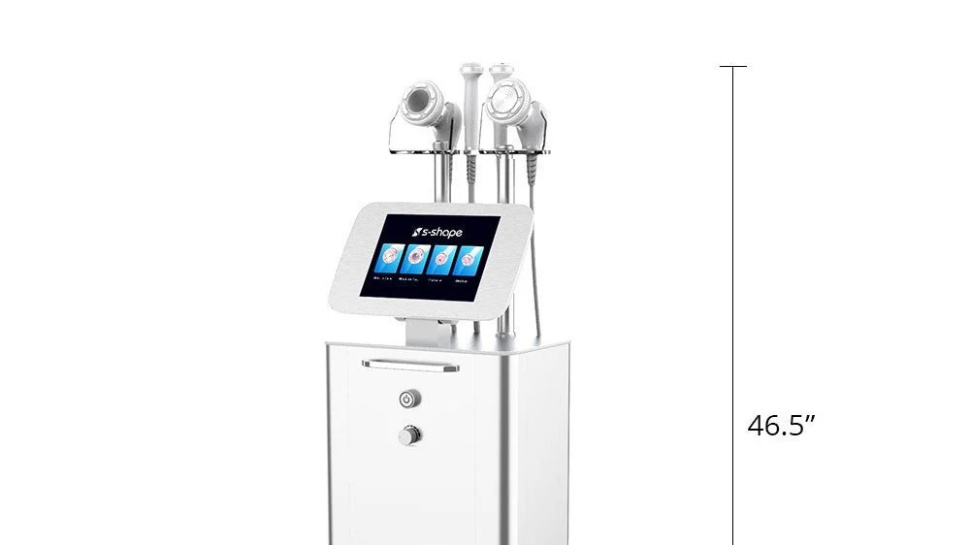
An s shape cavitation machine typically combines ultrasonic cavitation with other body-contouring technologies, depending on the model. These additional functions may include radiofrequency (RF), vacuum suction, and electrical stimulation.
Each technology serves a different purpose, allowing practitioners to offer customized treatments according to individual needs. Learning about the scientific principles behind these functions helps users understand the device's capabilities, limitations, and safety requirements.
What Is an S Shape Cavitation Machine?
An s shape cavitation machine is a beauty and body-contouring device designed to support non-surgical aesthetic treatments. Its primary function is generally based on ultrasonic cavitation, which uses sound waves to create mechanical effects in a targeted treatment area.
Depending on its configuration, the equipment may also include attachments designed for facial care, skin tightening, massage, or other cosmetic applications.
Unlike surgical procedures, these devices are intended for external use and do not require incisions. They are commonly marketed for localized body contouring and improving the appearance of areas such as the abdomen, thighs, hips, and upper arms.
However, the results depend on the specific technology, device quality, treatment settings, and individual characteristics. It is important to distinguish cosmetic improvements from medically established fat-loss treatments. Non-invasive cavitation should not be considered a replacement for weight management, and results are not guaranteed.
The Science of Ultrasonic Cavitation
Ultrasonic cavitation is the central technology behind many body-contouring devices. It uses high-frequency sound waves transmitted through a treatment applicator and into the tissues.
During treatment, these sound waves create alternating pressure changes in the surrounding medium. Under suitable conditions, this pressure variation can produce microscopic bubbles, a process known as cavitation. The behavior of these bubbles depends on factors such as frequency, acoustic intensity, the surrounding medium, and the design of the applicator.
In cosmetic applications, manufacturers describe ultrasonic cavitation as a method for targeting localized fat deposits. However, the actual biological effects depend on the equipment and its operating parameters. Evidence supporting the effectiveness of particular consumer and salon devices varies, so claims about permanent fat reduction should be approached carefully.
The treatment applicator is usually moved across the skin with an appropriate coupling gel. The gel helps transmit ultrasonic energy by reducing the air gap between the applicator and the skin. Proper contact and movement are important because uneven application may affect treatment delivery and increase the risk of discomfort or unwanted effects.
Understanding the Main Technologies
Many modern body-contouring systems combine several technologies in one device. Understanding the purpose of each function helps practitioners select suitable treatments.
1. Ultrasonic Cavitation
Ultrasonic cavitation is generally intended for localized body-contouring applications. The applicator delivers acoustic energy into the treatment area, where the resulting mechanical effects depend on the device's specifications and operating conditions.
Practitioners should follow the manufacturer's instructions regarding treatment duration, intensity, applicator movement, and suitable body areas. Increasing the power beyond recommended settings does not necessarily improve results and may increase safety risks.
2. Radiofrequency Technology
Radiofrequency technology uses electromagnetic energy to generate heat within tissues. In aesthetic treatments, controlled heating may be used to improve the appearance of skin laxity by affecting tissue structures involved in skin firmness.
Some devices include separate RF handpieces for facial and body applications. These attachments may differ in size, configuration, and intended treatment area.
Temperature control is particularly important during RF treatments. Excessive heat can cause burns, discomfort, or tissue injury. Operators should understand the device's temperature-monitoring features and avoid treating areas where the manufacturer advises against application.
3. Vacuum Suction
Vacuum technology uses controlled negative pressure to lift the skin and underlying soft tissues into an applicator. This action produces a mechanical massage effect and may temporarily influence local circulation and fluid movement.
Vacuum attachments are sometimes used in body massage and cellulite-focused cosmetic treatments. Their effects are not equivalent to proven fat removal, and visible changes may be temporary.
Excessive suction can cause bruising, broken capillaries, or discomfort. Treatment intensity should therefore be adjusted according to the individual's skin condition, tolerance, and the device's instructions.
4. Electrical Stimulation
Certain multifunctional beauty machines include electrical stimulation attachments. These deliver controlled electrical impulses through electrodes to stimulate nerves or muscles, depending on the technology.
The purpose and intensity of stimulation vary by device.
Electrical stimulation should not be confused with ultrasonic cavitation or RF heating, because each operates through a different physical mechanism.
People with certain implanted electronic devices or other relevant medical conditions may need to avoid electrical stimulation. Professional screening is essential before treatment.
How the Technologies Work Together
The main advantage of a multifunctional device is that it may provide several treatment options within a single system. For example, an operator might select ultrasonic cavitation for a designated body-contouring application and use an RF attachment separately when appropriate for skin appearance.
Combining technologies does not automatically make a treatment more effective. Each function must be evaluated according to its intended purpose, clinical evidence, and safety requirements.
A responsible treatment plan begins with an assessment of the client's goals, medical history, skin condition, and expectations. The operator should then select the appropriate attachment and follow the recommended sequence, if the manufacturer specifies one.
It is also important to recognize that changes in skin appearance, temporary fluid shifts, and actual reductions in body fat are different outcomes. Clear communication helps clients understand what a treatment may realistically achieve.
Important Safety Considerations
Although non-invasive beauty equipment does not involve surgical incisions, it is not entirely risk-free. Incorrect settings, unsuitable treatment areas, poor technique, or inadequate maintenance may lead to adverse effects.
Before treatment, operators should review the manufacturer's contraindications and screen clients for relevant medical conditions. Pregnancy, certain implanted devices, active skin problems, impaired sensation, and particular circulatory conditions may require avoidance or medical advice, depending on the technology being used.
Additional precautions include the following:
• Inspect handpieces, cables, and connectors before each session.
• Use only the recommended coupling products and accessories.
• Keep applicators moving when instructed by the manufacturer.
• Avoid excessive heat, pressure, or suction.
• Follow the prescribed cleaning and disinfection procedures.
Stop immediately if the client experiences significant pain, burning, or unusual discomfort.
Maintain realistic expectations and explain potential side effects.
Operators should receive suitable training and comply with applicable local regulations. Devices intended for professional use should not be operated without understanding their technical specifications and safety limitations.
Choosing the Right Equipment
Selecting an appropriate device requires more than comparing the number of attachments or advertised power levels. Buyers should examine the manufacturer's documentation, available safety features, construction quality, warranty terms, and technical support.
It is also helpful to verify the operating frequency, RF specifications, suction controls, treatment-head compatibility, and maintenance requirements. Clear instructions and accessible replacement parts can make a meaningful difference in everyday professional use.
Businesses should evaluate whether the device's functions match their actual services and whether staff can operate it safely. Marketing claims should be assessed critically, particularly when they promise dramatic fat loss or permanent results without credible supporting evidence.
About Mychway
Mychway is a beauty equipment brand associated with professional and home-use aesthetic devices, including body-contouring and skincare equipment. Its product range includes multifunctional systems that may combine technologies such as ultrasonic cavitation, radiofrequency, and vacuum massage.
Customers considering Mychway equipment should review the specifications of the exact model rather than assuming that every device offers the same functions. Checking the instruction manual, warranty coverage, safety guidance, and available customer support can help buyers make a more informed purchasing decision.
Conclusion
Understanding the technology behind an s shape cavitation machine helps beauty professionals and equipment buyers make informed decisions about body-contouring treatments. Ultrasonic cavitation, radiofrequency, vacuum suction, and electrical stimulation each operate through different mechanisms and have distinct purposes and limitations.
Although multifunctional devices can provide convenient treatment options, their results depend on the equipment, correct operation, individual factors, and the quality of the available evidence. Safety screening, professional training, realistic expectations, and adherence to manufacturer instructions remain essential.
By prioritizing these considerations over exaggerated marketing claims, practitioners can evaluate aesthetic equipment more responsibly and provide clients with clearer information about potential benefits and risks.



Share the News