

Opening a laboratory report or diagnostic scan summary often feels like reading a foreign language. Rows of shortened acronyms, dense numerical metrics, and Latin derivatives can leave patients feeling anxious and confused. When you receive diagnostic findings before seeing your physician, using a digital medical report checker can help bridge the communication gap.
Artificial intelligence is transforming patient education by translating dense clinical data into straightforward, understandable insights. Rather than guessing what unfamiliar figures mean, individuals and their families can now use modern technology to demystify diagnostics, understand their test baselines, and walk into consultations feeling informed and prepared.
Why Do People Find Medical Reports Difficult to Understand?
Medical reports are fundamentally written for healthcare providers, clinical researchers, and diagnostic specialists. Because their intended audience already possesses years of clinical training, these documents are deliberately condensed and laden with shorthand jargon.
Several factors make these files intimidating for everyday readers:
Dense Terminology and Abbreviations: Terms like erythrocyte sedimentation rate (ESR), mean corpuscular volume (MCV), or hyperechoic foci mean very little to someone without formal clinical training.
Complex Reference Ranges: Every lab test is presented with a reference range reflecting typical baseline distributions. However, standard ranges vary across different laboratories due to distinct testing equipment and calibration methods.
Missing Clinical Context: Seeing a small H (High), L (Low), or an asterisk next to an isolated number can trigger unnecessary panic. An out-of-range number does not always indicate a serious condition; it often reflects minor hydration changes, recent meals, physical exertion, or normal personal variations.
Without guidance, patients often search their symptoms online, falling into algorithmic rabbit holes that amplify anxiety rather than providing clarity.
What Is an AI Medical Report Checker?
An AI medical report checker is a specialized digital literacy tool designed to evaluate medical paperwork and translate clinical vocabulary into readable, plain-language summaries.
By applying advanced natural language processing and AI document analysis, these systems parse text-heavy files, PDFs, or scanned test sheets. The software identifies standard test markers, compares values to established ranges, and provides practical explanations of what each parameter generally measures in the human body.
Importantly, this technology does not generate medical diagnoses or treatment plans. Instead, it serves as an educational companion. People who find medical terminology difficult to understand can explore an AI medical report analyzer
to get simpler explanations of complex diagnostic information.
As digital healthcare moves toward greater patient transparency, AI for medical reports gives individuals a safe, structured way to comprehend their records without the confusion of open web searches.
How AI Helps People Understand Different Medical Reports
Modern diagnostic testing covers a wide range of biological evaluations. Here is how specialized medical report AI helps make everyday testing categories clearer and less intimidating:
1. Complete Blood Count (CBC) and Blood Chemistries
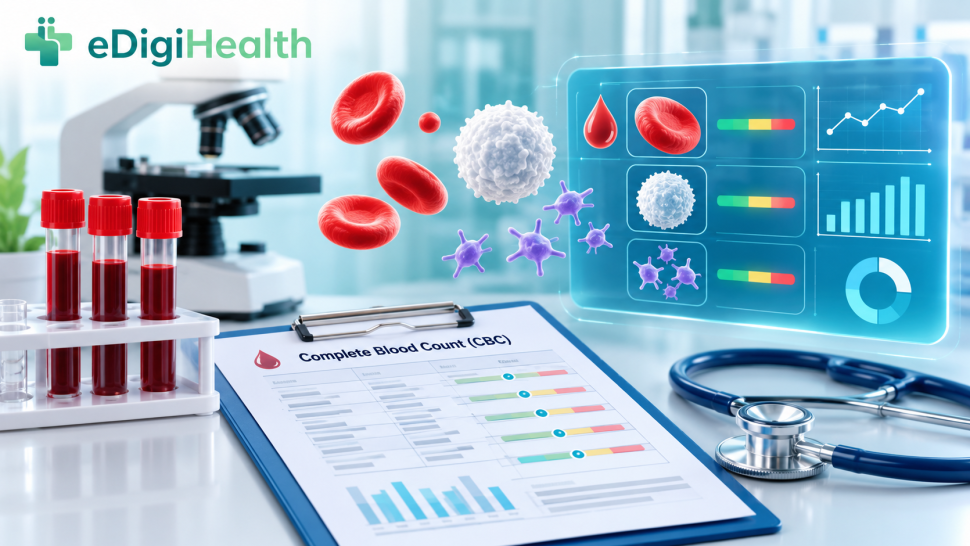
Blood panels examine cellular health, immune function, and circulatory balance. An AI tool breaks down components like hemoglobin, platelets, and white blood cell subtypes. Rather than leaving you puzzled by subtle fluctuations, AI explains the general purpose of each cell type. Readers seeking a deeper look into individual blood markers can learn more about understanding blood test results
and what flagged values typically mean.
2. Comprehensive Metabolic Panels (CMP) and Liver Profiles
Metabolic panels assess electrolyte balance, kidney filtration, and enzymatic function. When reviewing hepatic panels, seeing elevated enzymes such as ALT, AST, or alkaline phosphatase can be alarming. Educational tools summarize what these biomarkers monitor, helping you explore liver function test normal ranges
so you can ask your physician targeted questions about lifestyle, medication tolerance, or further screening.
3. Urinalysis Reports
Routine urine analyses evaluate renal function, hydration levels, and potential bacterial presence. AI tools explain parameters such as specific gravity, microscopic hematuria, epithelial cells, and leukocyte esterase in accessible terms.
4. Ultrasound, CT, and MRI Scans
Imaging narratives often contain descriptive anatomical observations such as attenuation, signal intensity, nodularity, or incidental findings. AI tools assist patients by clarifying which descriptions merely describe normal tissue architecture and which represent observations requiring physician review.
5. Electrocardiograms (ECG/EKG)
Traces measuring cardiac electrical impulses come with interpretations like sinus rhythm, axis deviation, or non-specific ST changes. AI tools help patients understand the difference between normal rhythmic variants and findings that warrant clinical follow-up.
How to Read Medical Reports More Effectively
While technology can synthesize pages of data, learning the basic anatomy of a laboratory report helps you review your files with confidence:
[ Test Name ] [ Your Value ] [ Reference Range ] [ Flag / Status ]
Serum Ferritin 18 ng/mL 15 - 150 ng/mL Normal
Total Cholesterol 215 mg/dL < 200 mg/dL High (H)
Verify the Test Name: Confirm that the test matches what your physician ordered.
Review the Measured Value vs. Reference Interval: Compare your result directly against the laboratory's listed normal interval, noting the unit of measurement (e.g., mg/dL, mmol/L, or ng/mL).
Understand High/Low Flags: Flags merely indicate where a value falls relative to a statistical baseline. They are not automatic indicators of disease.
Consider the Clinical Context: Test figures never tell the whole story on their own. Age, existing prescriptions, family history, and present symptoms are vital pieces of the clinical puzzle.
Key Benefits of AI for Medical Reports
Integrating an AI health report checker into your personal health routine offers several practical advantages:
Demystified Medical Vocabulary: Technical phrases are translated into accessible language that patients and caregivers can readily digest.
Reduced Scan Anxiety: Getting objective explanations of standard terminology helps curb unnecessary worry while waiting for a follow-up appointment.
Organized Diagnostic History: AI document analysis tools help organize scattered diagnostic records into structured, easy-to-track timelines.
Better Doctor Consultations: Instead of struggling to articulate basic concerns, patients can bring concise, well-formulated questions to their consultations.
Can AI Replace a Doctor When Understanding Medical Reports?
While AI is a powerful educational resource, it cannot replace a licensed medical practitioner.
An algorithm reads data points on a screen, but it cannot perform a physical examination, listen to heart sounds, evaluate subtle changes in skin tone, or account for your emotional wellbeing. Diagnostic medicine relies on synthesizing test metrics with personal medical histories, current lifestyle factors, and specific symptoms.
Furthermore, abnormal markers frequently resolve on their own or indicate temporary conditions rather than chronic illness. Never alter, discontinue, or initiate any prescription or supplemental regimen based solely on an automated summary. Critical or concerning results should always be evaluated directly by a qualified healthcare provider.
The Future of AI-Powered Medical Document Analysis
As electronic health records become more accessible through digital patient portals, health literacy remains a major public health priority. Future document analysis platforms are moving toward tighter clinical integration, where automated summaries are paired with verified educational modules, transparent citations, and direct communication bridges to medical teams.
By automating the routine task of translating jargon, these systems foster an environment where patients feel engaged, knowledgeable, and proactive about their care.
Final Thoughts
Diagnostic reports contain vital clues about our health, but their complex language has long created a barrier between patients and their own records. Artificial intelligence bridges this gap by turning confusing laboratory acronyms and scanning summaries into clear, plain-language insights.
Used responsibly as an educational aid, AI helps you understand your baseline health, organize diagnostic records, and participate as an active, informed partner in your healthcare journey.



Share the News